New possibilities for print media and packaging – combining print with digital

I was a co-applicant in a new COST initiative “New possibilities for print media and packaging – combining print with digital”, coordinated by Anu Seisto/VTT, and the proposal was accepted and is now starting. I am looking forward to networking and organising interesting activities around the increasing hybridization of games and playful media.

The goal of this Action is to promote discussion on the benefits that may be achieved from novel combinations of print and digital. It will also be used to enhance innovations that will make use of the benefits of both print and electronic media as well as innovations where print and electronic media are combined. Several examples exist where successful combinations have been achieved e.g. through the use of image recognition, augmented reality or printed electronics to bring interactivity into fiber based products. To give the forest industry a competitive edge this Action will focus on new innovations by combining knowledge of the end users with most recent technological achievements. New models of ongoing change in social interaction and in the cultural products of paper and electronic media will be elaborated and proposed. The results will promote critical and theoretical discussion on the changing meanings of contemporary media culture. The Action will explore new business opportunities for the fiber based products and the value chains of print media and packaging through novel, innovative uses. It will also serve as a channel for communication between industry and academia, thus contributing to the development of new commercial applications.

More: http://www.cost.eu/domains_actions/fps/Actions/FP1104

The five-year upgrade plan

Here are some retro- and introspective reflections on the occasion of PC upgrade at Christmas 2011. After three days (and one night) of installation, hacking and re-installation, I have again a personal play/workstation that is pretty pleasing to use. (My apologies to the family, who have been surprisingly long-suffering towards daddy’s immersion in computer assembly.) Even while I seem to blog about some ‘upgrade’ or another every other month or so, this kind of major, component-based PC upgrade is something that I thought already was a thing of the past, but now seems more like part of the “five-year plan”. After all, manufacturer assembled laptop systems, gaming consoles, tablets and smartphones have taken up much of the role that used to belong exclusively to a “computer”. But apparently we still need also the PC – the loved and hated general-purpose device that celebrated its 30th anniversary earlier this year. (http://www.pcmag.com/anniversary-of-the-pc)

PC upgrade, Xmas 2011

I will not go to the art or culture of engineering, even while immersing inside a contemporary personal computer allows one ample opportunities to reflect on the character and evolution of both. Also, the history of hackers and their role in the creation of not only the first personal computers, but also in the software and computing and gaming cultures that have driven much of the evolution of personal computing from its early days has been well documented elsewhere, e.g. in Steven Levy’s classic (http://en.wikipedia.org/wiki/Hackers:_Heroes_of_the_Computer_Revolution). My first ‘home computer’ was Commodore 64, which has gained a cult status over the years. That computer had c. 1 MHz processor – my Intel Core i5 2500K does computations at 3,3 GHz speed, which translates to 3300 times speed increase I guess (over 4 GHz is rather easy to reach in overclocking), and this does not take into account what has taken place in the graphics processing units between 1983 and 2011. (The actual, cross-platform speed comparisons are a much trickier, of course, and it has been claimed that the original 8088 based PC was actually slower than the C64, even while the PC run at nearly 5 MHz: http://trixter.oldskool.org/2011/06/04/at-a-disadvantage/.) Yes, the PC games are not necessarily “better” today (but they look fancier, and are generally much more complex), and you could do word processing or go online with Commodore 64 as well, so nothing extremely radical in those areas. But even incremental quantitative change translates eventually into qualitative ones – the user experience of today’s personal computer hobbyist is rather different from that of the 1980s counterpart.

PC upgrade, Xmas 2011

The actual problems today are a sort of ‘embarrassment of riches’: both the hardware and software developers are providing so many opportunities for the user, that only the most dedicated ones are actually able to make full use of them. Also, some features are still so difficult to set up that few regular PC owners will ever actually be able to get them running, while their system nominally supports them. For example, in my case I had a system (motherboard, processor, hard disks and a processor) that could support something called “Intel Rapid Storage Technology” (RST). (http://en.wikipedia.org/wiki/Intel_Rapid_Storage_Technology.) In practice, however, I ended up carrying out a series of multiple full Windows installations, trying out different ways to make the Windows boot from my SSD in the required Raid BIOS configuration, having only OS crash after a crash. Now I have the system all set up and stable, but this is with BIOS set to AHCI rather than the Raid mode, and I will not want to waste another three days to try yet another way to make it work. Also a new technology called Ludic Virtu appeared a bit tricky (in BIOS/Advanced Menu/System Agent Configuration/Initiate Graphic Adapter needs to be set into iGPU rather than PCIE/PCI to get the Virtu drivers to install at all). I still remain puzzled by the precise benefits that the two different options (d-mode / i-mode) allow in terms of gaming performance, power consumption and video transcoding. My new video card is ASUS GTX 560 Ti DirectCU II TOP model and together with bundled Asus software it also allows claimed real-time overclocking benefits, automatic temperature monitoring and ‘Smartcooling’, which keeps the system quiet in normal use and then gradually speeds up the CPU fans when 3D gaming graphics heat things up. (http://www.asus.com/Graphics_Cards/NVIDIA_Series/ENGTX560_Ti_DCII_TOP2DI1GD5/) My initial tests show that all this overclocking power and cooling is a mixed blessing: yes, I can now run Skyrim at the Ultra High graphics settings, and perceive all the minor details in dragon’s skin and character clothing that artists had put there, have the system sensors at cool area (the Arctic Freezer Pro 13 CPU cooler I installed to replace the stock Intel one also helps here) – but this also means that the GPU fans sound a bit like a jet engine when all those textures, shaders and millions of polygons hit the screen.

PC upgrade, Xmas 2011

To sum up, here are some of the advertised technologies, most of which I have had no time to test to verify whether they are genuinely useful:

Asus P8Z68-V/GEN3:

  • Fully PCI-Express 3.0 Ready, Intel Z68 motherboard. USB 3.0 Boost includes world’s first UASP support
  • Dual Intelligent Processors 2 with DIGI+ VRM Digital Power Design
  • UEFI BIOS (EZ Mode) – Flexible & Easy BIOS Interface
  • LucidLogix® Virtu (Universal Switchable Graphics) – Auto Switching between Integrated Graphics and NVIDIA/AMD Cards
  • Intel® Smart Response Technology – SSD Speed with HDD Capacity
  • BT GO! (Bluetooth) – Diverse BT Enjoyment, New Technology Lifestyle
  • GPU Boost – Push the Limits with iGPU Level Up!
  • Quad USB 3.0 Support – Double Access, Double Convenience
  • Quad-GPU SLI and Quad-GPU CrossFireX Support

Intel Core i5 2500K:

  • Intel® Turbo Boost Technology         2.0
  • Intel® Virtualization Technology (VT-x)
  • AES New Instructions
  • Intel® 64
  • Idle States
  • Enhanced Intel SpeedStep® Technology
  • Thermal Monitoring Technologies
  • Intel® Fast Memory Access
  • Intel® Flex Memory Access
  • Execute Disable Bit

ASUS GTX 560 Ti DirectCU II TOP:

  • overclocked graphics card for superb 3D Vision™ gaming
  • Top-selected and overclocked to 900MHz, 80MHz higher than reference for faster and smoother performance
  • Speed up heat dissipation with doubled airflow via exclusive DirectCU dual fan design
  • Pump up graphics performance with Super Alloy Power delivering a 15% performance boost, 2.5 longer lifespan and 35C cooler operation
  • Crank up 50% faster clock speeds with exclusive Voltage Tweak
  • ASUS Smart Doctor: Your intelligent hardware protection and powerful overclocking tool
  • ASUS Gamer OSD: Real-time overclocking, benchmarking and video capturing in any PC game
  • Splendid™ Video Intelligence Technology: Optimizes colors in various entertainment scenarios with five special modes — standard, game, scenery, night view and theater
  • GeForce CUDA™: Unlocks the power of GPU’s processor cores to accelerate the most demanding system tasks
  • NVIDIA® SLI™: Supports multi-GPU technology for extreme performance ode
  • NVIDIA PhysX™: Dynamic visual effects like blazing explosions, reactive debris, realistic water, and lifelike characters
  • NVIDIA® 3D Vision™: Immersive yourself in 3D gaming world
  • DirectX® 11 Done Right: Brings new levels of visual realism to gaming on the PC and get top-notch performance
  • D-Sub Output : Yes x 1 (via DVI to D-Sub adaptor x 1)
  • DVI Output : Yes x 2 (DVI-I)
  • HDMI Output : Yes x 1 (via Mini HDMI to HDMI adaptor x 1)
  • HDCP Support : Yes

The world of competitive technology development and particularly the world of tech advertisement are truly worlds of wonders.

There are some more photos that document the components and assembly work in Flickr:

http://www.flickr.com/search/?q=%22PC+upgrade%22&w=21506315%40N00&z=e

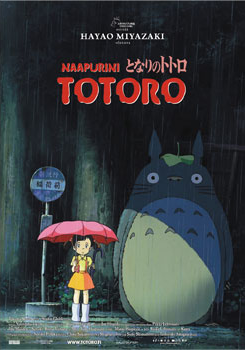
Totoro

Totoro
Naapurini Totoro

I watched My Neighbour Totoro today with my boys (all three of them, while the youngest had some troubles in concentrating, he is only 5 months old). I sometimes wonder how does it affect your imagination and perception of the world to have access to such nuanced, beautiful works of fantastic art from very early age. I was reading Famous FIve by Enid Blyton and then, at the age of seven, was watching Batman (the campy tv series) and Thunderbirds doll animations from Finnish, black-and-white television. No wonder I grew up to become a gadget geek.

I should write more of Hayao Miyazaki’s work some time. I mentioned it briefly in my 2009 talk, and the related short paper, Japanese Fantasy and the East-West Dialectic (2010), but watching how traces of Eastern Shintoism mix freely with the great tradition of fantastic imaginary and storytelling (elements folk tales, even Alices Adventures in Wonderland are evident in Totoro), there is so much more to be said.

Video Gamers Live Book Review video

The video recording of me interviewing/doing a “live book review” of Garry Crawford and his book Video Gamers (Routledge, 2011) is now online:

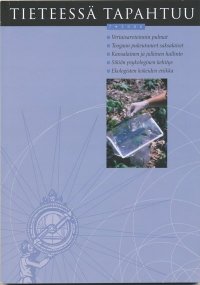
Carr, Pinnalliset (book review)

Tieteessä tapahtuu -kansi
Tieteessä tapahtuu

Here is my book review of N. Carr’s Pinnalliset (The Shallows) in Tieteessä tapahtuu /

Kirja-arvioni Carrin Pinnalliset-kirjasta on julkaistu Tieteessä tapahtuu -lehdessä:

Apple TV, BBC iPlayer, AirPlay

I have been testing more integrated media systems lately. An interesting one has been Apple TV, a small black box that can fit to your hand and that is capable of streaming media from your iOS devices to the flatscreen television. The media that is available through the standard, unmodified ATV box includes iTunes movies, YouTube, Vimeo, the usual stuff, plus any iTunes media libraries you have put under a Home Share. The most interesting use that I have found so far, however, relates to the fact that you can use Wi-Fi streaming (AirPlay) to switch image from your iPad/iPhone to the big screen via ATV. There are many interesting games that take advantage of this capability, but most of them run only on iPad 2 – unfortunate for me. But I installed the BBC iPlayer app and was surprised how good quality the streamed media was. Ended up watching yet another episode of Doctor Who. One catch though: you get the AirPlay functionality (and most of the BBC content) only after a €6,99/month subscription fee. If you like British television, nature documentaries and all, it just might be worth it. I am not sure yet whether I will continue the subscription, but I will definitely continue testing the potentials of AirPlay and iCloud.

Lähettäjä Frans Mäyrä

Google+ invite link

In case you are interested in trying out the new (currently semi-closed beta) social service by the search giant, here is a public Google+ invite link to the readers of this blog. The link is apparently valid only to the 150 first users, so click rather soon, if the service (or the tech talk that currently seems to dominate it) interests you:

Pelit ja väkivalta -keskustelusta

[Finnish: a short response to the Aamulehti story where I was interviewed in context of games, violence and the Oslo massacres] — Norjan järkyttävät tapahtumat ovat herättäneet runsaasti hyvää keskustelua mm. vihapuheen ja väkivaltaisten poliittisten aatemaailmojen roolista traagisten joukkomurhien innoittajina. Digitaalisen median syyttely on jäänyt tällä kertaa vähemmälle, mutta maahanmuuttokriittisten, muukalaisvihamielisten ja uskonnollisten fanaatikkojen on toki mahdollista hyödyntää internetin foorumeja samanmielisen tuen löytämiseen, siinä missä lukemattomat ihmiset käyttävät näitä palveluja mitä erilaisimpien tarpeidensa ja mielenkiinnon kohteidensa innoittamina. Laajempi, mediaa koskeva kysymys sitten on että missä määrin nykyaikainen mediayhteiskunta on muovautunut “spektaakkelin yhteiskunnaksi”, missä median kosiskelu ja huomion tavoittelu on muodostunut tärkeäksi osaksi myös häiriintyneiden yksilöiden toimintaa.

Digitaalisia pelejä koskeva moraali- tai mediapaniikki on osoittanut viimeisen kymmenen vuoden kuluessa jo hienoisia laantumisen merkkejä, eikä tässäkään tapauksessa julkisen huomion ja mielipiteen valtavirta lähtenyt tälle yksioikoisen ajattelun suunnalle. Minua kuitenkin haastateltiin viime viikolla Aamulehden juttuun (otsikoltaan “Kiellä sotapelit lapseltasi”), joka näyttää vetävän mutkia suoriksi ja viittaavan väkivaltaisten tietokonepelien pelaamisen olevan suorassa syy-seurausyhteydessä koulusurmien ja Norjan massasurmien kaltaisiin tapahtumiin. Aihepiiriin liittyen tässä lyhyt kommentti.

Ei ole olemassa luotettavaa tutkimusta, joka osoittaisi fiktiivisen peliväkivallan lisääntyneen harrastamisen ja todellisen elämän väkivaltaisen käyttäytymisen välisen syy-seurausyhteyden. Itse asiassa näkemieni tilastotietojen perusteella vaikuttaa osin käyneen jopa päin vastoin: samaan aikaan kun tietokone- ja videopelit ovat kehittyneet entistä realistisemman näköisiksi, satojen miljoonien ihmisten harrastamaksi viihteen ja populaarikulttuurin muodoksi, on väkivaltarikosten määrä lähtenyt selvään laskuun ainakin Yhdysvalloissa. On jopa tutkimuksia joiden perusteella näyttäisi siltä että niillä ihmisillä, jotka eivät pelaa lainkaan, on kaikkein eniten sosiaalisia ongelmia. Tämä tutkimuksen löytämä yhteys (jos on totta), ei tietenkään tarvitse olla syy-seurausyhteys. Digitaalinen media ja pelit ovat vain niin keskeinen osa modernia yhteiskuntaa ja elämänmuotoa että syrjäytyminen näiden sisältöjen ja ihmisten välisen vuorovaikutusmuotojen näyttämöiltä todennäköisesti liittyvät myös muuhun syrjäytymiseen ja huono-osaisuuteen. Pelaaminen itsessään ei ole tekemässä ketään paremmaksi tai huonommaksi ihmiseksi. Olisi aiheellisempaa uutisoida, mikäli Norjan murhaajan tai suomalaisten koulusurmaajien kaltaiset nuoret miehet eivät olisi pelanneet mitään tietokonepeliä. Niin yleistä näissä väestöryhmissä kyseinen harrastus tänä päivänä on.

Tuskin kukaan on sinänsä innokas peliväkivallan, tai muunkaan väkivaltaisen esityksen puolustaja. On kuitenkin muistettava että myös tummasävyiset ja uhkaavilta vaikuttavat fiktiiviset esitykset ovat olleet ikimuistoisista ajoista keskeinen osa kulttuuria. Antiikin myytit, kansantarut ja moderni kaunokirjallisuus ovat kaikki täynnä kauhistuttavia kertomuksia — itse asiassa taiteen yksi keskeinen tunnusmerkki on sen kyky ravistella ihmistä, vaikuttaa häneen ja jopa järkyttää häntä. Kun puhutaan pelien vaikutuksista, voisikin kysyä, vaikuttavatko pelit nykypäivänä liian vähän pelaajaan, esimerkiksi kirjallisuuteen tai elokuviin verrattuna. Aihepiirin keskustelussa mielenkiintoinen piirre on, että usein pelejä syytetään samanaikaisesti kahdesta täysin vastakkaisesta asiasta: pelit ovat muuta mediaa “todenkaltaisempia” ja siksi vaikuttavat emotionaalisesti liian voimakkaasti, ja toisaalta mahdollistavat osallistumisen triviaalilta vaikuttavaan räiskintään joka eri herätä pelaajassa mitään erityisempiä tunteita, korkeintaan turhautumista vaikean pelikentän haasteiden edessä. Lääketieteen ja psykologian piiristä tulevat kriitikot ovat nostaneet tässä yhteydessä esiin desensitaation, eli turruttamisen käsitteen. Ajatuksena on, että koska varsinkin toimintapeleissä (ja kaikki pelit määritelmällisesti sisältävät jonkinlaista “toimintaa”) toistetaan esimerkiksi taistelukentän tapahtumia yhä uudelleen, madaltavat ne pelejä harrastavien ihmisten kynnystä tehdä myös todellisessa elämässä hirmutekoja.

Ennen digitaaliseen mediaan ja peleihin keskittymistä tutkin vuosia kauhukulttuuria, jonka parissa erilaiset teurastukset, silpomiset ja muut hirvittävyydet ovat kukoistaneet — hieman määrittelytavasta riippuen — jo vuosituhansia. Modernit kasvattajat ja huolestuneet mediakriitikot ovat vuorollaan löytäneet esimerkiksi kauhusarjakuvista tai splatter-elokuvista aiheen uhkakuville väkivaltaan turtuneista, toden ja fantasian sekoittavista nuorista, jotka syyllistyvät hirvittäviin rikoksiin. Jotkut rikolliset ovatkin mieltyneitä väkivaltakuvastoon ja tummasävyiseen populaarikulttuuriin. Norjan 32-vuotias massamurhaaja kylläkin ilmoitti harrastavansa myös klassista musiikkia ja löytävänsä innoitusta tekoihinsa kristinuskosta ja oikeistopopulistisilta poliitikoilta. Kirjo mahdollisista tulkinnoista ja reaktioista kulttuurisiin teksteihin onkin valtava. Me jokainen asetamme kohtaamamme sanat, kuvat ja teknologiat oman elämämme kontekstiin, ja vasta tämä laajempi, kulttuurinen ja sosiaalinen, yksilöllinen ja yhteiskunnallinen kehys on määräämässä millaisia merkityksiä nämä sanat, kuvat ja mediat saavat.

Peleillä on varmasti vaikutuksia pelaajiinsa; on epätodennäköistä ja epärehellistä väittää muuta. Samoin kuin kirja tai elokuva, myös peli voi tehdä vaikutuksen pelaajaansa, virkistää ja innostaa, ahdistaa tai jäädä vaivaamaan mielen perukoille pitkäksikin aikaa. On kuitenkin todennäköisempää että esimerkiksi poliittiseen kiihottamiseen tähtäävät tekstit ja keskustelufoorumit muovaavat nuoren ihmisen maailmankuvaa kuin vaikkapa World of Warcraft tai Modern Warfare 2 (jotka olivat pelejä joita Norjan murhaajan kerrotaan pelanneen). Pelitutkija Jesper Juul on kirjoittanut pelien sijoituvan fiktion ja toden välimaastoon, olevan “puoliksi totta”. Tällä hän tarkoitti että vaikka peli digitaalisena mediaesityksenä veisi meidät toiseen todellisuuteen, on itse pelin sääntöjärjestelmä ja pelaajan tekemät toiminnot jotain, mikä sijoittuu ja tapahtuu arkitodellisuudessamme. Monet pelit ovat yksinkertaistettuja simulaatioita, “leluversioita” todellisuudesta — ajatellaan vaikkapa kaupungin rakentamista simuloivaa SimCity-peliä, tai ihmiselämää simuloivaa The Sims -pelisarjaa. Molemmissa simulaatioon on valittu vain muutamia ominaisuuksia sotkuisesta ja monimutkaisesta todellisuudesta. Tällainen yksinkertaistaminen auttaa esimerkiksi oppimaan ja hahmottamaan merkittävien piirteiden keskinäisiä suhteita: pelaaja hahmottaa vähitellen paremmin miten tietyt “lelukaupungin” tai “leluihmiselämän” prosessit toimivat, ja täten kehittyy pelaajana. Samalla ne toimivat myös vahvana signaalina siitä että kyse on nimenomaan fiktiosta, “lelutodellisuudesta”, ei reaalisesta maailmastamme. Kirjat, elokuvat ja pelit tarjoavat erilaisille ihmisille erilaisia ajattelun välikappaleita, ja niitä voidaan soveltaa lukemattomilla eri tavoilla — niin rakentavilla, rakastavilla kuin tuhoavillakin.

Lopuksi: australialainen toimittaja Nick Ross on käynyt lävitse norjalaismurhaajan “manifestin”/päiväkirjan sisältämät peliviittaukset (ks. linkki), ja toteaa että peleillä ei ole ollut mitään merkittävää (ainakaan tiedostettua) roolia tappajan ajattelussa — eurooppalaisen “kulttuurimarxismin” ja “islamisaation” uhkakuvat, oikeistolainen ja fundamentalistikristillinen vihapuhe sekä ahdistavan pitkäpiimäinen puuhaaminen pommien ja aseiden parissa täyttävät hänen jakelemansa yli 1500-sivuisen dokumentin sivut. Eräässä yhteydessä sekavaa eeposta hän suosittelee seuraajiaan vaikkapa teeskentelemään addiktiota World of Warcraft -nettiroolipeliin, koska sen avulla olisi helpompi väistää pitkäaikaiseen eristäytymiseen liittyvät kysymykset (vaihtoehtona mainitaan teeskentely homoseksuaalin identiteetin etsinnästä, jota voisi käyttää samaan tapaan hämäyksenä). Toisessa kohdassa hän mainitsee että Modern Warfare 2 -sotapeliä voi käyttää harjoitusammunnan korvikkeena, mutta heti perään toteaa että todellisen joukkomurhaajan täytyisi päästä harjoittelemaan oikealla rynnäkkökiväärillä.

Breivikin kaltaisen psykopaatin elämässä epäilemättä moni asia on mennyt vikaan, mutta yksiviivaisen, digitaalisten pelien ja väkivaltaisuuden välisen syy-seurausyhteyden tueksi tästä tapauksesta ei ole. Vihapuhe, suvaitsevaisuuden ja erilaisuuden kammo nousevat laajemmin oireilevasta taustasta ja kaipaavat huomattavasti Aamulehden juttua monipuolisempaa analyysiä.

Aihepiiriä käsitellään perusteellisemmin lukuisissa blogikirjoituksissa toisaalla. Tässä on esimerkiksi linkki Mikki Rautalahden mainioon “Pahat pelit, pahat tarpeet” -kirjoitukseen.

What is the Plus of Google+?

Today the invites of new Google+ service have been spreading around the world like a wildfire. It is still too early to present any thorough review of this thing (only few hours of sporadic tests do not really cut it), but some initial thoughts:

  • Google+ replicates many of the core functionalities of established services like Facebook and Twitter (plus photo-sharing sites like Flickr), but it does it a bit differently, often better, sometimes just… differently.
  • It highlights the role of filtering, or privacy settings through its “Circles” in a manner that makes the boring task of setting up “Family”, “Colleagues”, “People of This or That” groups almost fun. Its group based settings are nothing new in themselves, but the design of the service makes them feel a bit new. The design philosophy of Google+ is based on importance of recognizing the social “frames” (à la Erving Goffman) for our daily existence, and it also supports the “layering” of this mundane reality: it is easy to select an individual post, photo or other item to be shared among just one “circle”, or several. An individual can belong to several circles.
  • Still, it seems unlikely that people would leave their established networking services just for the pleasure of better privacy settings. Google needs something else. Something “plus” in their “plus service”.
  • Their mobile client (Android, there is no yet public release of iOS one) is nice. It makes following, sharing and maintaining one’s social network pretty straightforward. It is better than, e.g. the Android version of Facebook client. But probably nothing revolutionary here.
  • Other key features include “Sparks”, is a sort of automated content feed on a user-chosen topic. I have not used it enough to comment on its actual usefulness. It appears to be based on a sort of “beefed-up” Google search, that is tweaked for “viral”, social media oriented properties (whatever those are).
  • Then we have the “Hangouts”, a playful video chat for up to ten people. Apparently it is quite fun and functional, and allows one to joke around while e.g. watching a Youtube video together. My problem with this is only that I cannot get the required plugin to install to my Vaio Z. Otherwise, I have my doubts whether daily rhythms allow time for having a camera and microphone on for that many people. Maybe, but I have doubts.
  • What then is the actual “plus” of this entire thing?
  • My current intuition is that the biggest thing are the changes under the hood; the gradual shift of Google the Search Engine into Google the Social. There are so many potential new functionalities already in this first test release of Google+ that it is quite hard to figure out what is possible, what is desirable and what not. Google handles so much data and has so great a role already in the lives of millions of people, that even small changes in its operation have major consequences. The changes that are now taking place are no minor. My mobile phone, my calendar, my email and my news, social status feeds and photo, video usage are already different from what they were yesterday. The big “plus” of Google+ is thus not in its surface as yet-another-facebook, but rather in the increasingly flexible ways in how the innumerable services Google provides today and in the future are currently being redefined to be relevant for social interaction. And that is an interesting process to follow.

Samsung Galaxy S II

I have for two years have been a happy iPhone user, and still consider that iPhone provides the best overall user experience. But the iOS is getting old, and particularly Android has been able to pass it on certain areas. My new work phone is Samsung Galaxy S II, which is running Gingerbread (Android 2.3). In the hardware area, it has a dual core processor (1,2 GHz), SuperAMOLED+ screen (4,3″), and 8 megapixel camera, to provide the key details. This thing can run all the games I have thrown at it without any hiccups, and it can record and play Full HD video when used to document events. In terms of user experience and competitive relationship to iPhone, comparison gets a little difficult. There are things like Swype sliding text input in Android/Samsung, but I still find text editing and web browser to work a bit better in iPhone. On the other hand, there is much more room for tinkering, configuring and modification in Android, so it can be set up to fit the actual user needs in a much more flexible manner. The Android app ecosystem is vast, but I feel iOS has generally better quality apps. Almost every search produces tens of different competing apps in Android Store, and it is sometimes really difficult to find something that actually fits your needs. Apple keeps tighter controls of their app-universe, and have already filtered out rubbish. In some cases though, it is impossible to find the feature or function you need from the Apple side, whereas Android is much more open and provides flexibility. It is also easy to fill your screens and data transfers with dozens of non-optimized processes in Android – iOS is more controlled and balanced environment also in this respect. There will be the new iOS 5 released later this autumn, which will bring some key elements that Android already has (like the notification centre, over-the-air updates) to iOS. It will be interesting to see how comparison will turn out then. At the moment, iOS is better for “general user”, while Android shines as a “power user” toy and tool of choice.

Samsung Galaxy S II