Professor of Information Studies and Interactive Media, esp. Digital Culture and Game Studies in the Tampere University, Finland. Occasional photographer and gardener.
While there have been earlier doctors coming from our Game Research Lab (Aki Järvinen, Olli Sotamaa), Markus Montola who today defends his doctoral dissertation is the first to come from within our own degree program, myself acting as the Kustos. Here is the abstract and link to download the electronic version of the thesis (defense is public and takes place at 12 o’clock in hall B1097):
On the Edge of the Magic Circle: Understanding Pervasive Games and Role-Playing
Markus Montola
Abstract
On the Edge of the Magic Circle studies two threads of contemporary western gaming culture: Role-playing and pervasive games. Recreational role-playing includes forms such as tabletop role-playing games, larps and online role-playing games, while pervasive games range from treasure hunts to alternate reality games. A discussion on pervasive role-playing connects these strands together. The work has four larger research goals. First, to establish a conceptual framework for understanding role-playing in games. Second, to establish a conceptual framework for understanding pervasive games. Third, to explore the expressive potential of pervasive games through prototypes. And fourth, to establish a theoretical foundation for the study of ephemeral games.
The central outcome of the work is a theory complex that explains and defines role-playing and pervasive gaming, and allows them to be understood in the context of the recent discussion in game studies.
In order to understand these two borderline cases of games, the work establishes a theoretical foundation that highlights gameplay as a social process. This foundation combines the weak social constructionism of John R. Searle with the recent game studies scholarship from authors such as Jesper Juul, Jane McGonigal, Katie Salen and Eric Zimmerman.
To say something positive for a change, the single feature that really has impressed me in the new Vaio Z is how fast it wakes up from the sleep mode. Sony advertises this “Rapid Wake + Eco” functionality as an environmental issue (I think it functions like the regular Hibernate function), and the advertised 2 second wake up time really feels to be true. More: http://www.sony.net/SonyInfo/csr/SonyEnvironment/products/lineup/VAIO-Z.html
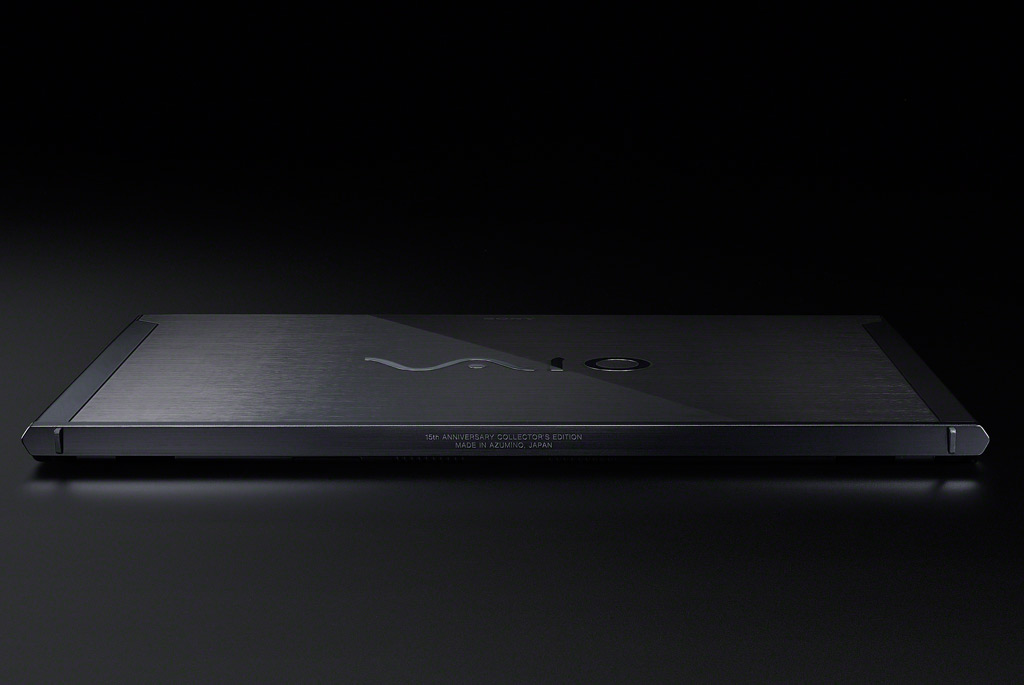
Sony Vaio Z (mid 2012 model, with Power Media Dock)
My new workhorse, Vaio Z (3rd generation), arrived today. It is bit early to say anything conclusive yet, but mostly my first impressions are positive. The overall build quality is better than in the first generation “Z” that I have been using so far. The Full HD screen is very sharp and colours are vivid. The laptop is very light, even while after the long-duration sheet battery has been added the weight goes up a bit. The keyboard feel is pretty good even while the key travel is so short it takes some time getting used to. But luckily the “click” (tactile-auditive feedback) you get from the keys is ok.
My main concerns right now relate to the touchpad. On the other hand it is a clear upgrade from 1st generation Vaio Z’s touchpad that did not properly support multitouch. Here you can do all the scrolling and rotating gestures you most usually need. But touchpad is rather small, and most serious thing is the nonreponsive left mouse button. There must be something wrong with its mechanical construction – getting it to register button clicks is pretty frustrating hit and miss thing. Really unacceptable from a laptop of this caliber. I still need to check whether this could be something that a driver upgrade could fix.
Things that I have not yet got any chance to test include the discrete graphics chip in the Power Media Dock, in Blu-ray as well as gaming modes. It is also interesting to see how long the battery will actually last: since the sheet battery is installed on top of the regular one, there is two of them, and it seems that when the power brick is not plugged in, Z3/Win7 first starts draining the long-life battery and the regular one will stay in 100%. Sony promises 14 hours of usage, but I will see this in the real life later.
Also, I have not found yet where to insert SIM card (this thing should come with 4G/LTE mobile data module). Maybe it is buried underneath the battery compartment like in the old Z1.
I have sometimes used that my office is in the Tampere-Helsinki train, and this week it has felt to be true. Three consecutive travel days:
Tuesday: Skene games program start event in Korjaamo
Wednesday: short talk about contemporary game studies and discussion in the Suomi 2015 panel in Digi.fi event, Palace
Thursday: short talk about playfulness & gamification in business simulation game (Liikkeenjohdon SM), Kämp Kansallissali.
The discussion is the salt of these kinds of quick visits, and luckily there were opportunities for that during this week. It is interesting to see what kind of different perspectives to games and play there are among game developers, researchers and business people from non-games related fields, for example. On the other hand, these discussions are also opportunities to get updated on how awareness of games and playful ways of doing things are spreading in new and different fields of society.
[Finnish book on gambling studies] Jani Kinnusen ja minun yhdessä kirjoittama artikkeli verkkorahapelaamisen tutkimuksesta on ilmestynyt Gaudeamuksen kustantamassa Rahapelaaminen Suomessa-kirjassa (toim. Pauliina Raento):
Rahapelaaminen on tärkeä osa suomalaista politiikkaa, taloutta ja kulttuuria
Uudessa tietoteoksessa tutkijat paneutuvat peli-ilmiöön
Lauantai-iltaisin klo 20.45 suuri osa suomalaisista kokoontuu television ääreen rahapelirituaaliin. Pelit ovat läsnä arjessa ja vapaa-ajassa, ja rahapelaaminen on tärkeä osa politiikkaa, taloutta ja kulttuuria. Pauliina Raento kokosi eri tieteenalojen asiantuntijoita yhteen pohtimaan, mitä rahapelaamisesta on syytä ymmärtää 2000-luvun suomalaisessa yhteiskunnassa ja kulttuurissa. Raennon toimittama tietoteos Rahapelaaminen Suomessa (Gaudeamus 2012) ilmestyy nyt.
“Suuret rahasummat ja moraaliin ulottuvat näkemyserot yhteiskunnallisen ohjauksen suunnasta ja tavasta ovat tehneet rahapelaamisesta kiistanalaisen ja suuria tunteita herättävän aiheen”, Raento toteaa.
Rahapelejä pelataan kuitenkin päivittäin – kioskeilla, kotitietokoneilla, ruokakaupoissa, huoltoasemilla, baareissa ja ravintoloissa, kasinolla, pelisaleissa ja raviradoilla. Rahapelaaminen Suomessa -teoksen kirjoittajat lähestyvät ilmiötä monipuolisten aineistojen pohjalta. Teokseen on koottu runsas kuvitus ja suomalaisen rahapelaamisen kronologia vuodesta 1889 nykypäivään.
“Pelaamisella on suuri merkitys suomalaisen yhteiskunnan peruspalveluiden rahoittamisessa”, Raento muistuttaa. “On jo korkea aika, että käsitys rahapelaamisesta suomalaisessa yhteiskunnassa ja kulttuurissa syvenee ja alkaa ulottua lainsäädännön ja rahapeliongelmien muutosten seuraamista laajemmalle.”
Otteita teoksesta:
“[K]eskiaikaa luonnehtivat kohtalonusko ja käsitys onnen vaihtelevuudesta. Rouva Fortunaa, onnen henkilöitymää, pidettiin yleisesti oikullisena (…). Kohtalon, onnen ja pelaamisen yhteys on selvä. Esimerkiksi useassa germaanisessa kielessä kohtaloa ja arpaa tarkoittava sana on sama: englanniksi lot, ruotsiksi lott tai saksaksi Los.” (Mia Korpiola & Jussi Sallila)
“Tutkittu peluri varoi tarkasti kertomasta sivutoimestaan päätoimensa työyhteisölle eikä mielellään pukeutunut nettipokeripalvelusta saamaansa mainosteepaitaan. Virtuaalisessa pokeripöydässä hän ei kuitenkaan ajatellut moraalisia kysymyksiä, vaan keskittyi vastustajiensa voittamiseen ja siten erkani muusta arjestaan. Pelimaailmassa vallitsivat toiset säännöt kuin sitä monimutkaisemmassa yhteiskunnassa ja arjessa: pelissä joko voitettiin tai hävittiin.” (Perpetual Crentsil & Jukka Jouhki)
“[P]oliittinen ilmapiiri on ristiriitainen suhteessa rahapelaamiseen: yhtäältä korostetaan suomalaisten monopoliyhtiöiden ‘hyviä tarkoituksia’ ja julkisia palveluja rahoittavaa toimintaa, mutta toisaalta huolehditaan rahapelaamisen aiheuttamista haitoista. Samalla rahapelaamisen sääntely ja rahapeliyritysten kilpailuympäristö Euroopassa ja koko maailmassa muuttuu nopeasti.” (Arttu Paarlahti)
“[V]äitämme myös, että paikan ja ajan merkityksettömyyttä internet-pelaamisen aikakaudella on suuresti liioiteltu. Yksittäisen pelaajan valinnanvapaus on toki lisääntynyt ja hänen toimintansa piiri voi olla globaali ja uudella tavalla henkilökohtainen kellonajasta riippumatta, mikä on vaatinut liiketoiminnallisten ajattelutapojen ja ratkaisujen remonttia. Yksilötason yhdistäminen paikallisiin, alueellisiin, kansallisiin ja kansainvälisiin toimintaympäristöihin paljastaa kuitenkin pelitoiminnan monimutkaisia rakenteellisia sidonnaisuuksia, joita on vaikea irrottaa kulloinkin merkityksellisestä ajasta, tilasta ja sen ulottuvuuksista.” (Pauliina Raento & Lassi Härmälä)
***
Pauliina Raento (toim.): Rahapelaaminen Suomessa. Gaudeamus 2012.
Pauliina Raento työskentelee Pelitoiminnan tutkimussäätiön tutkimusjohtajana ja on vapaalla kulttuurimaantieteen professorin tehtävästään Helsingin yliopistossa. Teoksen muut kirjoittajat ovat Perpetual Crentsil, Lassi Härmälä, Jukka Jouhki, Johanna Järvinen-Tassopoulos, Matias Karekallas, Jani Kinnunen, Mia Korpiola, Riitta Matilainen, Heikki Mikkeli, Frans Mäyrä, Arttu Paarlahti, Jussi Sallila ja Tuukka Tammi.
Lewis Mumford, a critic and historian of technological civilization, has written that art and engineering were separated in the fourteenth century. Before that, engineers were artists, and vice versa. (See his Technics and Civilization, p. 219.) Yesterday, Apple registered a win in courtroom over Samsung for copying too much of Apple’s design of iPhone and iPad. (That, how much Apple originally had taken inspiration/copied from other manufacturers was not decided upon.) What remains clear is that the tools we use have a deep impact on our actions, and on our thinking and finally also to our societies. It is good to think about our tools sometimes, and also consider how tools figure in our thinking.
My two main daily tools are my smartphone (I use actively both Apple iPhone 4S and Samsung Galaxy S2, not taking sides in that argument) and my laptop. It is difficult to say which I use more. The smartphone is probably taken up more often, for small things, quickly checking up something, for checking in somewhere, for checking other people’s check-ins or statuses. But laptop is the one I would not get very far without during the working day. My correspondence, my main calendar interface, all my projects, documents and materials reside in its memory, waiting to be reorganised and recombined and expanded upon with a few touches and key-presses.
In May 2009 I started to use Vaio Z series laptop (Vaio Z31WN, to be precise), and have not looked back since. The art of engineering that is put into Vaio laptops is probably not going to evoke similar degrees of cult following like that of Apple ones, but for a person who prefers Windows OS over the Mac/OS X one, there did not use to be a better option. Today, there are dozens of ‘ultrabook’ portables which all claim to have good combination of light, solid construction, long battery life, fast SSD storage, bright screens and speedy processors. Working on ‘state of the art’ on that edge has thus got more interesting – if you are into that kind of things, that is.
After some comparison work, I have concluded that for my particular needs, the new version of Vaio Z series is probably the best option still. I travel a lot so light design is a priority, and I work with videos, photos and other media in the production side (in addition to the basic Word, Excel and web design stuff), and then there are also all those games I should be analysing. My eyes are not as good as they should be, so a really sharp screen that has wide viewing angles is also a must. Apple’s MacBook Pro with Retina Display is sure an interesting machine, but it is too heavy for me, and as I said, I do not like OS X as a work environment (I get stuff done in a PC, but keep hitting on walls while on a Mac). Thinkpad X1 Carbon has solid build, and is thin and light, but the tests tell also that its screen is so-and-so, as also is the battery life. Vaio Z has its own issues (the keyboard and trackpad for example are not the best you can find), but its combination of good screen with lightness and capable performance fits my needs best.
The mid-2012 Vaio Z has been tested here and there, but there are some exiting options that have not been addressed in review so far. One of them is 4G/LTE connectivity option that is interesting to an active traveller. (According to this German page, it appears to support 800, 1800 and 2600 MHz, as well as 2100 and 900 MHz bands: http://m.heise.de/mobil/meldung/Subnotebook-mit-integriertem-LTE-1576015.html?from-classic=1.) The premium screen option is Full HD and the long life battery claims to keep going for 14 hours (depending on use, of course).
My original plans were to do the Vaio upgrade in 2013, but there are reasons (both push and pull, financing and research needs) that suggest earlier date. I have been in talks with Sony Europe (really talking with them multiple times, which was not my original plan), and it is interesting to see whether we are able to close a deal on a specified system at all. The experiences so far have not been exactly promising. The Sony web store gives me cryptic errors regardless of the browser used, calls to the customer service go to Belgium where they tried to recover (unsuccessfully) my Sony account, then resorted to taking the specs of the Vaio over the phone. In the next step, their system was unable to process our EuroCard (MasterCard). They did send me an invoice by email. The invoice needs to be processed by due course through the university administration, which takes at least a week. Sony informed me that the order will expire after ten days. Placing an order to a web store need not be quite this exciting, I think.
Vaio Z, Mid-2012: Power Media Dock
It might be that the 15th Anniversary Edition of Vaio Z laptop is the proud paragon of Japanese electronics engineering, but there are still gaping holes in their overall customer experience, unfortunately.
Vuosikirjassa tarkastellaan jälleen niin pelaamisen historiaa, nykytilannetta kuin tulevaisuuttakin.Pelitutkimuksen vuosikirja on vertaisarvioitu, avoin tiedejulkaisu. Pelitutkimus on sekä monitieteinen tutkimusala että nuori akateeminen oppiaine, jonka parissa toimivien tutkijoiden huomion keskiössä on digitaalisten pelien erityisluonne. Nyt julkaistussa, järjestyksessään neljännessä vuosikirjassa, käsitellään muun muassa antiikin Rooman lautapelejä, lukijoiden ja pelilehtien vuorovaikutusta, Suomen pelipiratismin historiaa, pelien kerrontaa ja luokittelua sekä internetshakkia.
Vuosikirjassa on julkaistu artikkelien lisäksi lyhyempiä katsauksia, jotka pureutuvat esimerkiksi kilpapelaamiseen, puheentunnistusteknologiaan sekä oppimisroolipeleihin. Lisäksi vuosikirjassa on television tekstiviestipelien tekemistä koskeva muistelmakirjoitus ja kaksi kirja-arviota.
Tämän vuoden vuosikirjassa useampaa tutkijaa on kiinnostanut väärinpelaamisen ja sääntöjen venyttämisen tutkiminen. Teema tulee esille niin internetshakkia käsittelevässä artikkelissa, NHL12-peliä käsittelevässä katsauksessa kuin kirja-arvioissakin. Väärinpelaaminen voi tarkoittaa vastustajien sanallista häirintää, pelin viivyttämistä, pelin puutteiden epäreilulta tuntuvaa hyväksikäyttöä tai kiellettyjen teknisten apuvälineiden hyödyntämistä. Väärinpelaaminen tai epäurheilijamainen käytös liittyvät siis myös digitaaliseen pelaamiseen silloin kuin voittoa tavoitellaan keinoja kaihtamatta.
Pelitutkimuksen vuosikirjan päätoimittaja on professori Jaakko Suominen Turun yliopistosta. Toimituskuntaan kuuluvat lisäksi professorit Raine Koskimaa (Jyväskylän yliopisto) sekä Frans Mäyrä (Tampereen yliopisto) ja yliopisto-opettaja Riikka Turtiainen (Turun yliopisto).
Lisätietoja: Jaakko Suominen, jaakko.suominen@utu.fi
A new anthology of first person shooter studies is out in the Continuum game studies series:
“The second volume of Continuum’s Approaches to Digital Game Studies series, Guns, Grenades and Grunts gathers scholars from multiple disciplines to bring the weight of contemporary social theory and media criticism to bear on the public controversy and intellectually investigation of first-person shooter games. As a genre, FPS games have helped shepherd the game industry from the early days of shareware distribution and underground gaming clans to contemporary multimillion dollar production budgets, Hollywood-style launches, downloadable content, and worldwide professional gaming leagues. The FPS has been, and will continue to be a staple of the game market.”
Neitoperho/The European Peacock (Inachis Io, photo: FM, 17.8.2012)
Yesterday, Sept 17, I gave two talks, one on the concepts of playfulness and gamification, and another on the Finnish game culture. The first one was on a closed seminar where people from YLE and elsewhere planning the new Tohloppi Mediapolis initiative were looking for ideas about interesting developments in media and ICT research, and I decided to focus on the fundamentals of what makes play phenomena playful. The afternoon talk was on a seminar of Finnish Cultural Foundation, the annual meeting of trustees. I chose to talk about the history of Finnish games and play, then go quickly through the early development of computer games, some talk about Assembly and the demoscene, concluding into some reflections about the cultural characteristics of contemporary (diverse, and rather multi-dimensional) gaming and game development cultures in Finland.
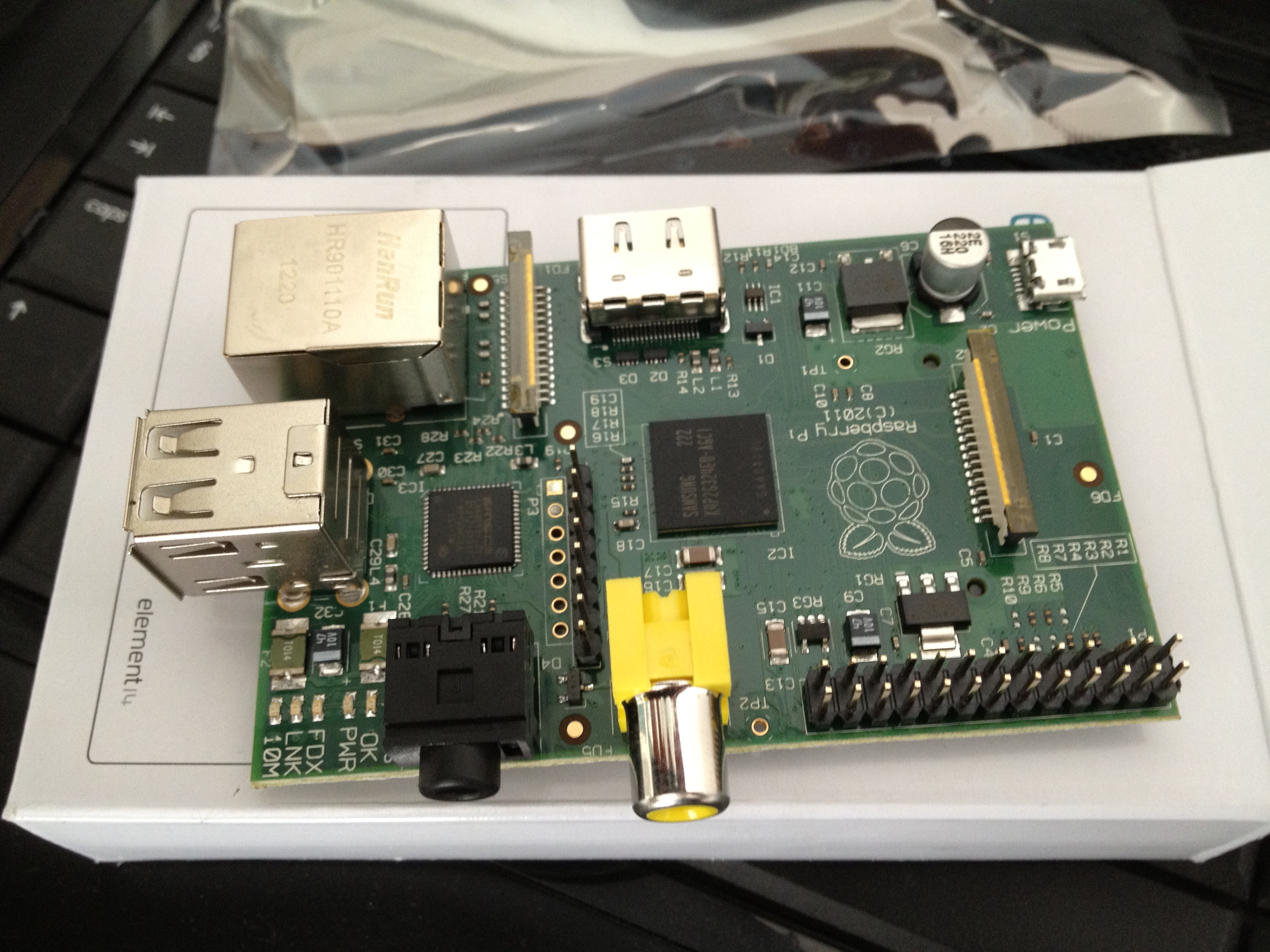
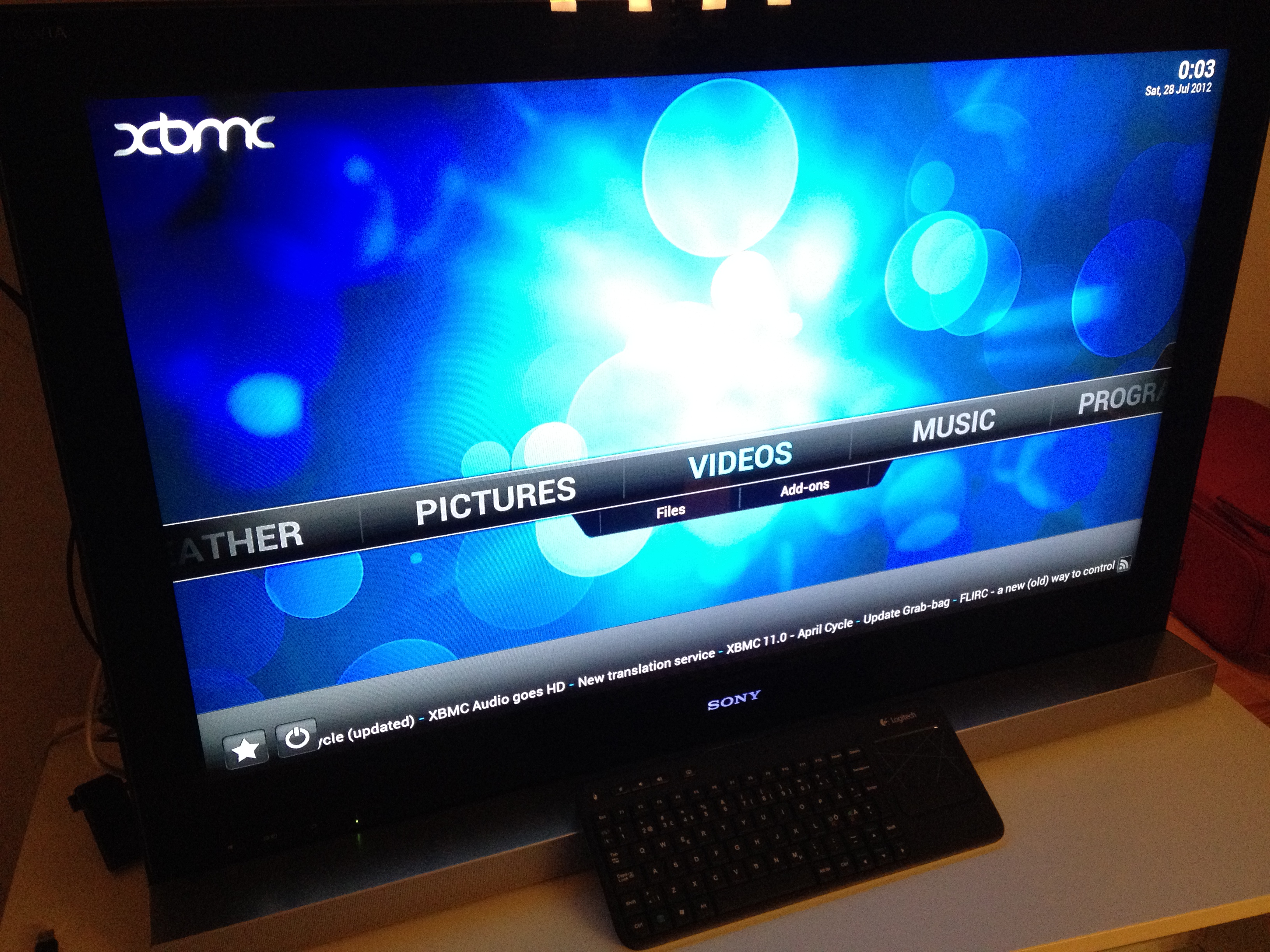
My Raspberry Pi had arrived while I was at the Microsoft Research Faculty Summit, and I got finally some hours to test drive it. As far as contemporary PC hardware goes, RPi is of course seriously underpowered little plaything. On the other hand, when you compare it with to some other devices (like smartphones, embedded systems), it does not look so bad. The principal reason for its development should also be taken into account (promoting computer literacy, encouraging tinkering with hardware and software tools, helping kids learn to code). I have been looking for some time for an affordable and functional HTPC system for serving media in our living room, and thus my first test drive involved setting up RPi as a media center PC. The Raspian “wheezy” distro that they recommend on the Raspberry Pi Foundation website was too slow and unresponsive for my taste to do anything. I tried also Raspbmc version of XBMC media center, but I could not get it to install any addons at all. So finally I did find a place that instructed how to install OpenElec, an embedded operating system that has been built to run XBMC – from a Windows PC (http://www.squirrelhosting.co.uk/hosting-blog/hosting-blog-info.php?id=9). Now XBMC was getting online, updating itself and installing addons nicely. It also booted up decently in c. 20-40 seconds.
It turned out that the major issue for me finally was a network infrastructure related one: we did not have a LAN socket in the corner where our TV set is situated. I tried to learn about WiFi USB dongles that could run out of the box, plug-and-play style with the OpenElec/XBMC, but it would had been necessary to know the exact version of chipset and firmware to make sure whether the USB dongle in question would work, so I decided to stay with the wired Internet/Ethernet connection instead, and added another layer to the (rather instesting) network topology of our home by setting up a Powerline Ethernet bridge (using two Zyxel PLA4215 units). While I was at it, I also got a powered USB 2.0 hub (a basic Belkin thing) and wireless keyboard-touchpad combo for comfortable sofa-based media surfing. The latter was a Logitech Wireless Touch Keyboard K400, which is a rattling, plastic thing, but has two important benefits for me: (a) it is cheap, (b) it has an inconspicuous power switch hidden on the side. Anyone with one or two (or, indeed, three) hyperactive toddlers in the house can witness why these are good things. I have already e.g. a broken Logitech diNovo Edge lying around somewhere. Surprisingly, everything seemed to work after a couple of system reboots.
As to the actual use of the OpenElec/XBMC/Raspberry Pi system, I have not yet much experience to share. I can say that the software is still buggy and occasionally rather slow. It is difficult to say what the system is doing when the playback or a menu does not open immediately, whether it is buffering data or whatever is going on. Attempting to stop the playback of a HD video file can suddenly jam the whole system to a complete halt. But yes, I can play music, videos and watch photos in a full HD screen from multiple sources, from both local network and from various online services in a more or less satisfactory manner. There seems to be much potential and room to explore further in this surprising little system. One can only hope that the energy of the community does not die out, but the development of software continues far beyond this early stage. It is, after all, really early in the evolution of Raspberry Pi ecosystem, as some developers have not yet even received the unit they are waiting for. Much of the OS distributions and applications are thus more at ‘alpha’ rather than even ‘beta’ stage at this point. But taken that, this is really entertaining little playground to experiment with, and to fool around.




 frans goes blog
You must be logged in to post a comment.