
Kuka päättää, millaista taidetta tehdään?

[My talk outline for the SKR seminar today in Katisten Kartano]

Kuka päättää, millaista taidetta tehdään?
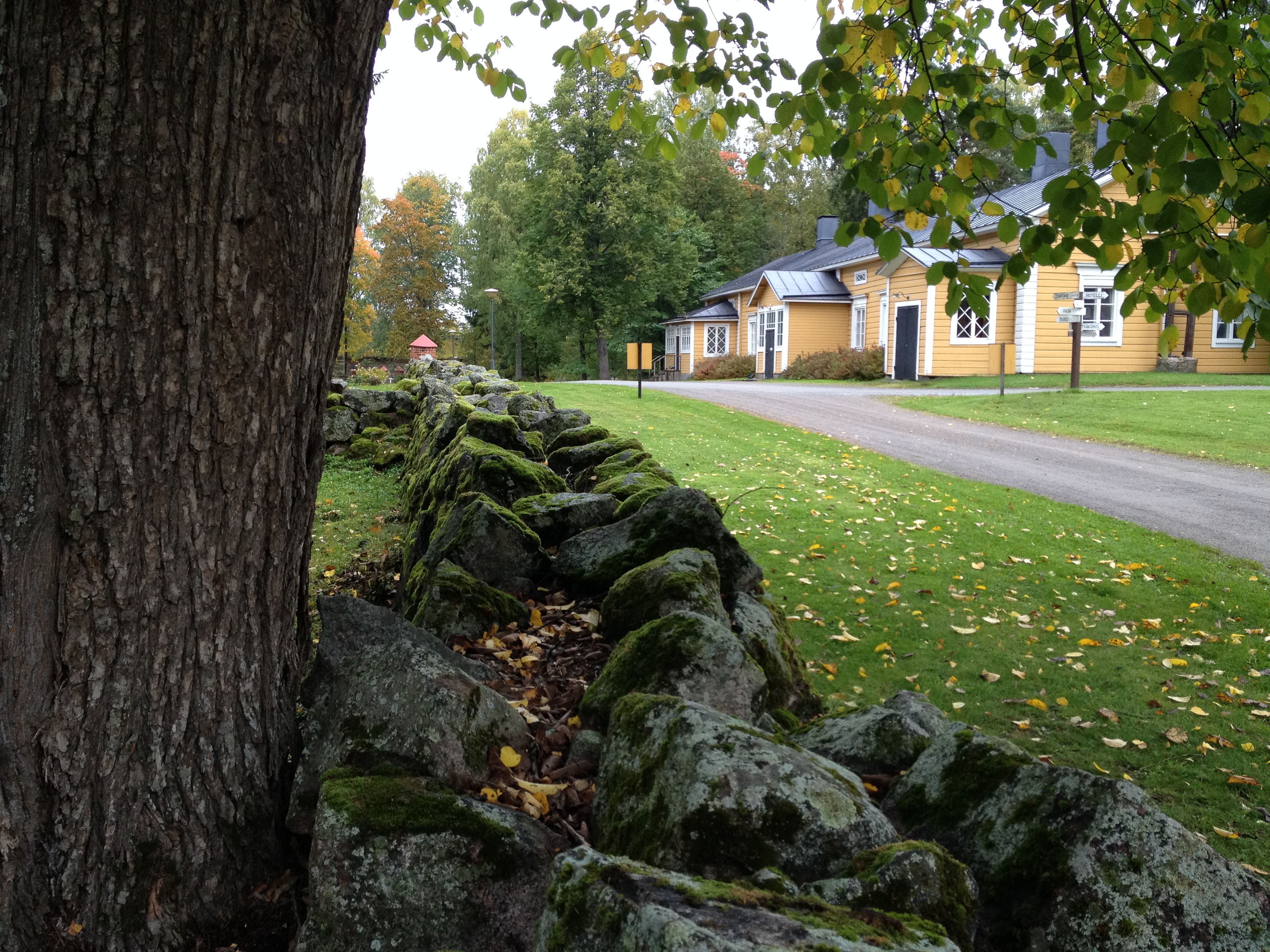
Katisten Kartano
Katisten Kartano

Frans Mäyrä, Tampereen yliopisto

Alustukseni lähestyy taiteen tekemisen ja rahoituksen aihepiiriä oman tutkimusalueeni, digitaalisen kulttuurin ja pelien kautta. Digitaalisen taiteen ja pelitaiteen kenttään liittyy useita perustavia haasteita ja kysymyksiä, jotka eivät välttämättä ole vakiintuneempien taidemuotojen kohdalla yhtä keskeisiä. Näitä ovat muun muassa kysymys siitä, voivatko tietokoneohjelmat tai pelit yleensäkään olla taidetta, ja miten taide teknologian kontekstissa määritellään ja tunnistetaan. Toisaalta digitaalisessa kulttuurissa on piirteitä, jotka liittävät sen toisaalta erilaisiin arjen apuvälineisiin ja hyötyajatteluun, toisaalta erityisesti digitaaliset pelit yleensä hahmotetaan osaksi kaupallista viihdeteollisuutta tai populaarikulttuuria. Digitaalinen taide ja taidepelit sijoittuvatkin jännitteiselle kentälle ja jäävät usein marginaaliin niin kaupallisten toimijoiden kuin taiteen ja kulttuurin instituutioiden näkökulmista.

Digitaalisten tekniikoiden hyödyntäminen taiteen tekemisessä ei sinänsä ole uutta. Mediataiteessa on hyödynnetty monipuolisesti niin perinteisten kuin erilaisten uusien mediateknologioiden tarjoamia mahdollisuuksia, ja tietokoneen avulla tuotettua tai manipuloitua visuaalista, auditiivista ja interaktiivista sisältöä on tuotu näytteille lukuisissa erilaisissa installaatioissa ja performansseissa ainakin 1980-luvulta lähtien. Lisäksi tietokoneen avulla tuotettu digitaalinen kuvataide, tietokonemusiikki, valokuvataiteen ja satunnaisuuteen tai ohjelmoituihin sääntöihin pohjaava generatiivinen taide ovat esimerkkejä institutionaalisesti tunnistettujen taidetraditioiden ja digitaalisen kulttuurin rajapinnoista.

Tietokoneen avulla tuotettu taide haastaa perinteisen romanttisen käsityksen taideteoksesta ainutkertaisena, autenttisena ja orgaanisena taiteilijayksilön luomuksena. Monet digitaalisen taiteen muodot liittyvät ainakin epäsuorasti dadaismin ja surrealismin perinteeseen, missä on pitkään leikitelty automaattisilla tekniikoilla ja teollisuuden tai kulutustavaroiden avaamilla esteettisillä mahdollisuuksilla. Tietokoneen avulla luodut yhä realistisemmat visuaaliset efektit ja simulaatiot ovat nousseet esimerkiksi mainonnassa ja viihde-elokuvissa niin hallitsevaan rooliin, että ne ovat synnyttäneet myös vastareaktioita. Samalla kun digitaaliset teknologiat ovat tarjonneet taiteen tekijöille uusia ilmaisun ja vuorovaikutuksen mahdollisuuksia, on digitaalisten tuotteiden ja palvelujen yhä keskeisempi asema verkostoyhteiskunnan kansalaisen arjessa herättänyt yhä laajempaa kritiikkiä ja huolta esimerkiksi sosiaalisen median ja pelien vaikutuksista ihmisen kehitykselle ja yleisemmin elämisen laadulle.

Kulttuurin digitalisoituminen on kytketty muun muassa perinteisen tekijä-yleisö -vastakkaisasettelun katoamiseen ja kulttuurin hierarkioiden madaltumiseen. Tietokoneiden, älypuhelimien ja kaikkialle ulottuvan Internetin aikakaudella kuka tahansa voi olla taiteen ja kulttuurin tuottaja, sekä osallistua taiteen sisältöjä ja arvoa koskeviin keskusteluihin. Perinteisten ammattilaisten ja asiantuntijoiden määrittelyvallan on epäilty heikentyvän tietoverkkojen aikakaudella ja amatöörien massoittain tuottaman alempiarvoisen sisällön johtavan kulttuuriseen rapautumiseen.

Digitaalisiin peleihin liittyvät monet debatit osaltaan laajentavat digitaalisen kulttuurin kiistanalaisuutta. On taidekriitikkoja, jotka katsovat että pelit eivät lähtökohtaisesti voi olla taidetta, koska niiden sääntöperustaisuus, leikillisyys ja interaktiivisuus siirtävät taiteellisen sisällön määrittelyn käyttäjien (pelaajien) käsiin siinä määrin, että ne eivät sovellu taiteellisen ilmaisun välikappaleiksi. Usein kritiikin pohjalta on kuitenkin hahmotettavissa valtavirran kaupallisten viihdepelien pohjalta muodostunut käsitys peleistä väkivaltaan painottuvana, tunneköyhänä toimintaviihteenä. Jo 1980- ja 1990-luvuilta lähtien on toteutettu useita taiteellisesti kunnianhimoisia pelituotantoja, joissa esimerkiksi interaktiivinen tarinankerronta tai yksityiskohtainen ja taiteellisesti yhtenäinen vaihtoehtomaailma ovat laajentaneet erilaisten innovatiivisten pelimekaniikkojen avaamia mahdollisuuksia.

Viimeisen vuosikymmenen aikana erityisesti riippumattomat pelituotannot (indie-pelit) ovat alkaneet haastaa kaupallista pelituotantoa hallitsevia konventioita ja lajityyppejä. Elokuvataiteen tapaan suurten studioiden tuottamien spektaakkelien rinnalle on kehittynyt yksittäisten pelitaiteilijoiden ja pienstudioiden ”art house” -tuotantoja, jotka pyrkivät rikkomaan rajoja, tarjoamaan uuden tyyppisiä vuorovaikutteisia kokemuksia, ja tuomaan pelikulttuurin piiriin aiempaa monimuotoisempia ja haastavampia teemoja. Eettiset ja moraaliset valintatilanteet sekä erilaisten tekojen seuraukset ovat esimerkiksi aihepiirejä, joihin pelin interaktiivinen perusluonne vaikuttaisi luontevasti soveltuvan.

Riippumattoman pelitaiteen ja uuden pelikulttuurin syntyminen ei kuitenkaan tapahdu käden käänteessä. Paljon on kyse pelisukupolvien astumisesta asemiin, missä he voivat täysivaltaisesti osallistua taiteen kaltaisten kulttuuristen instituutioiden kehityksestä käytävään keskusteluun. Ilman pelilukutaitoisia taiteenystäviä, kriitikoita ja rahoittajia pelitaiteen kenttä ei voi kehittyä elinkelpoiseksi. Tilanne on vertailukelpoinen minkä tahansa uuden taidemuodon syntyvaiheisiin. Tällä hetkellä olemassa olevat taiteen rahoitusinstrumentit ja taideinstituutiot eivät juurikaan kohtaa taiteellisesti kunniahimoisia pelintekijöitä. Indie-taidepelien kehittäjät nojaavatkin toisaalta kaupallisiin pelien julkaisukanaviin, toisaalta varakkaiden yksilöiden, yritysten tai instituutioiden mesenaattityyppiseen rahoitukseen. Suuret kaupalliset pelituottajat eivät toistaiseksi ole kovin merkittävissä määrin ryhtyneet rahoittamaan taidepelejä kulttuurisen arvonannon saavuttamiseksi, erotuksena esimerkiksi suurten elokuvastudioiden kaupallisten suurtuotantojen rinnalla harrastamaan art house -elokuvien tuotantomalliin. Tarvetta aiempaa laaja-alaisemmalle, eri toimijoiden väliselle yhteistyölle ja uusille avauksille onkin selvästi tällä alueella.

Ludoliteracy keynote, Barcelona in November

Update: I will be presenting a keynote in the ludoliteracy conference in Barcelona, 14th November 2013. The full title of the conference could be translated as “International Conference on Media Education and Digital Competencies” – you can check the (Spanish) conference web pages in: http://www.uoc.edu/portal/es/symposia/congreso_ludoliteracy2013/index.html

Kokkola keynote

[Today giving the keynote in Kokkola on playfulness, ludification and new literacies] Vierailen tänään Kokkolan yliopistokeskus Chydeniuksessa, missä minulla on juhlaesitelmä otsikolla “Pelillisyys ja uudet lukutaidot” Luokanopettajien aikuiskoulutuksen 25-vuotisjuhlaseminaarissa. Näkemisiin tapahtumassa – linkki ohjelmaan on tässä: http://www.chydenius.fi/opiskelu/luokanopettajien-aikuiskoulutus/historian-havinaa-tulevaisuuden-tuulia/ohjelma

Disciplinary identity of game scholars

Highlighting the international collaborative research paper from last week’s DiGRA 2013 conference: “Disciplinary Identity of Game Scholars: An Outline”. Written by myself, Jan Van Looy (Belgium) and Thorsten Quandt (Germany), it is the first take at the interesting survey data coming from the large game researcher community survey carried out last October. In summary, it points out that while large majority of people affiliated with the DiGRA, ECREA and ICA mailing lists and special interest groups self-identify as digital games researchers, they are coming from very diverse disciplinary backgrounds. The paper reveals the range of this multidisciplinarity as well as the high level of dynamism in this field: 45 % of the respondents reported their current primary research field as being different from the one of their original, highest degree. Domestic and international collaboration was also very common, as well as 39 % reported having collaborated with industry. As a conclusion, there both appears to be features of emerging disciplinary cluster of game studies in this field, while it is also important to recognize many significant tensions, as different parts of this multidisciplinary scholarly community would prefer evolution of game studies, and the work of its academic institutions, to focus in clealry different issues. Having conferences, seminars and journals that are open for dialogue and work rooted in different traditions is particularly important considering this academic context.

Citation: Mäyrä, Frans, Jan Van Looy & Thorsten Quandt (2013) “Disciplinary Identity of Game Scholars: An Outline”. Proceedings of DiGRA 2013. Atlanta: DiGRA & Georgia Tech.

Download link: http://people.uta.fi/~frans.mayra/disciplinary_identity.pdf

“10 Years of Game Studies” panel notes

Sharing my rough notes from DiGRA 2013 “10 Years of Game Studies” panel:

Who are the game researchers? Where are the game studies heading? What we can learn from the history of contemporary game studies to inform the scholarly work we carry out and aim to do in the future? Finland has been active in the international scene of studying games for many years, and in my comments will draw from my perspectives as the first president of DiGRA and as the head of the Game Research Lab in the University of Tampere:

Notes outline:

– remembering the original goals and vision of DiGRA (c. 2001-2002)

– promoting the academic study of games: the need for recognition, or even the basic possibility of doing academic work related to games

– focus in promotion, professional, as well as in scholarly sense

– the need for more job opportunities, as well as a shared vocabulary of game studies (degree programs, jobs, identity, community)

– the most ambitious goals were perhaps even revolutionary

– to make the academia more playful place, “take over” the scholarship

– paradigm shift, change of an era

– after a few years, it became clear that the speed of change was not necessarily as fast as some wished for

– we established journals, the association, published books, articles, got research grants and many research projects

– getting entire degree programs and tenured professor, lecturer and researcher positions was slower

– particularly the economic downturn in the society and restructuring / scaling down of some universities has hit also this field

– yet, important progress has been made

– it is no longer valid to approach the game research as a “blank slate” and claim that your definition or theory/typology of game, play or game culture is the first in the field

– there is not necessarily overall consensus, but there is dialogue, and that is important

– personally, I am happy that DiGRA has persisted, against the challenges of a) turbulence of academia, b) dynamic changes in the phenomena of games and interactive/online media, c) multidisciplinarity of the field

– it could well have been that the field of game studies would have broken down into humanities, social sciences, computer sciences/engineering, design based subcommunities

– to a certain degree there are such subcommunities, but there are also places like the DiGRA conference where people coming from many different backgrounds meet and discuss

– in terms of discipline, Game Studies can be both promoted, heralded as well as criticized as a project

– some think that currently there is already too much uniformity and conformity of thought in this field (“the ludology canon”?), some think that the field is too haphazard, broken down and in need for more disciplinary identity

– it can be claimed that all academic disciplines are in “crisis”, and have been for decades already (the self-questioning and critical reflection of all fields of knowledge is constant part of science and scholarship)

– I think both aspects are needed in a healthy, dynamic and living field or discipline: divergent and convergent elements

– some basic vocabulary is needed so that we can communicate the research questions and identify the object of our research

– at the same time, alternative perspectives and approaches are needed since they open up new perspectives, question and rejuvenate the field

– some think that academic game studies is insufficiently connected with the practice of making games

– yet, some scholars are exactly working on applied game studies, design experimentation, innovation, or promote the recognition of alternative voices in game design and culture

– some think that there is too much complicity with the industry, or that game scholars are too much “gamers” and fans of games themselves, lacking critical distance to see the negative dimensions of games and play clearly enough

– this is obviously one dynamic line that is capable of putting game studies into motion, if we engage into better dialogue about such issues in our conferences and papers, and in the practice of our work

– yet, we need both basic (theoretical, even “esoteric”) research and study of games, as well as applied work that links to issues relevant for making better or more ethical, games and services, and more sophisticated game criticism

ToDiGRA Special Issue CFP: Physical and Digital in Games and Play

Please feel free to spread the word:

ToDiGRA Special Issue CFP: Physical and Digital in Games and Play

Following the successful “Physical and Digital in Games and Play” seminar (May 29-31, 2013, University of Tampere), the Transactions of Digital Games Research Association (ToDiGRA) journal invites paper submissions for a special issue on the role of physicality and materiality in digital games, hybrid media, and mixed reality play experiences. The research carried out in such areas holds potential for providing interesting comparative work in theoretical and empirical game studies as well as inspiring new design experiments of hybrid games, playful media or augmented toys.

While this special issue is seeking articles on hybrid, physical-digital phenomena and their research questions, it is also open to submissions that mostly discuss traditional digital games or physical card, board or outdoor sports games. However, such papers should focus on positioning the role of such phenomena in an increasingly digitally augmented or mediated world.

Possible topics include, but are not limited to:
• Theoretical analyses of hybrid games, hybrid toys and hybridity in games
• Case-studies of hybrid play products
• Hybrid experiences in physical and digital play
• Designs of toy-media or toy-game hybrids
• Digitally augmented board game and table top game designs
• Augmented sports and exergames
• Role-playing with a mixed media component
• Cosplay practices particularly as related to digital games and game characters
• The experience, use, or value of digital copy vs. physical copy
• Game industry vs. toy industry
• Contemporary, mixed media folk games, folk toys, and player created hybridity
• 3D Printing in playful media and games
• Physical games and digital art, playgrounds and museums
• The role of physical and digital in gambling

The editors of this special issue are Professor Frans Mäyrä, University of Tampere; Dr Anu Seisto, VTT; and Dr Katriina Heljakka, Aalto University. The editors bring together a combination perspectives and expertise from digital and mixed reality game research, hybrid media research as well as from art, design and toy research.

The article submissions should be anonymized and follow the DiGRA article template (see http://todigra.org/index.php/todigra/about/submissions). The recommended manuscript length is c. 7000-8000 words. Articles with the appropriate thematic focus for the special issue will be subject to anonymous peer review. The deadline for submissions is 18 October, 2013. Inquiries and submissions (in Word or RTF format) should be emailed to frans.mayra@uta.fi

Transactions of the Digital Games Research Association (ToDIGRA) is an international, open access, refereed, multidisciplinary journal dedicated to research on and practice in all aspects of games. ToDiGRA captures the wide variety of research within the game studies community combining, for example, humane science with sociology, technology with design, and empirics with theory. As such, the journal provides a forum for communication among experts from different disciplines in game studies such as education, computer science, psychology, media and communication studies, design, anthropology, sociology, and business. ToDIGRA is sponsored by the Digital Games Research Association (DiGRA), the leading international professional society for academics and professionals seeking to advance the study and understanding of digital games.

The editorial board of ToDiGRA is: Mia Consalvo, Canada Research Chair in Game Studies and Design, Concordia University; Holin Lin, Professor, National Taiwan University, Department of Sociology; Jesper Juul, Assistant Professor, New York University Game Center; Frans Mäyrä, Professor, University of Tampere, School of Information Sciences; Annika Waern, Professor, Uppsala University, Department of Informatics and Media; José Zagal, Assistant Professor, DePaul University. More of ToDiGRA: http://todigra.org/

Pelitutkijat Suomessa – DiGRA Finland

[About games researchers in Finland] Viime viikon Pelitutkimuksen päivien yhteydessä mainostettiin DiGRA Finlandin Facebook-ryhmän olemassaoloa – ryhmän jäsenmäärä onkin noussut viikossa 16 jäsenestä 51:een. Tapahtumassa esitettiin myös toive kotimaisten peliasiantuntijoiden luettelon luomisesta, eli listasta mistä erilaisten koulutusten ja tapahtumien järjestäjät, tai vaikkapa selvitysten tilaajat voisivat tutkailla mahdollisia kontakteja. Tällainen asiantuntijalista on nyt toteutettu, kevyellä kaavalla, editoitavan Google-taulukon muodossa. DiGRA Finland on siis pelitutkimuksen kansainvälisen yhdistyksen DiGRA:n Suomen osasto, ja sen toiminnasta  kiinnostuneiden kannattaa seurata tätä blogia, jota Olli Sotamaa ylläpitää. Kyse on hyvin vapaamuotoisesta verkostosta, joten erilaisia hyviä aloitteita kannattaa ehdottaa ja jos saa vastakaikua niin lähteä myös toteuttamaan, ilman sen suurempaa byrokratiaa. Tietoisuuden lisääminen pelitutkimuksesta ja voimien yhdistäminen ovat tällä, vielä sangen hajanaisella alalla erittäin kannatettavia pyrintöjä. Mainittakoon vielä Pelitutkimuksen vuosikirja, joka suomenkielisenä, vertaisarvioituna tiedejulkaisuna pyrkii osaltaan tekemään tätä tiedeyhteisön edistämisen ja pelitutkimusta koskevan tietoisuuden levittämistyötä.

May conference and seminar rush in Tampere

Physical & Digital, in improvised lamp lightThe last two weeks have been really busy time in Tampere game studies: first, we co-organised the Narrative Minds and Virtual Worlds conference together with sociology and literature (Mari Hatavara, Matti Hyvärinen and myself were the co-chairs). This conference featured 42 presentations and two keynotes by Marie-Laure Ryan and Jarmila Mildorf.

This week has been busy with the first Pelitutkimuksen päivä (the seminar of Finnish game studies) taking place in Wednesday, Olli Sotamaa as the main organiser on behalf of the Finnish DiGRA Chapter. The first Finnish (masters’) degree price in game studies was also awarded in that event; the winner was Gabriela Rodríguez with her work Learning in Digital Games: A Case Study of a World of Warcraft Guild from the University of Turku. The program also included presentations by Tero Pasanen and Jonne Arjoranta (on the discourses of game violence in Finnish media) and Tero Huttunen (problem gamers as the customers of youth and social work), followed by my comment talk.

Wednesday was also the pre-workshop day of the Physical and Digital in Games and Play seminar — the Hybbi workshop focused on creating concepts for playful hybrid products. Thursday and Friday have been the main seminar days, with 17 presentations. Our invited commentators this year are Annika Waern and Katriina Heljakka.

It will probably take a few days to get my mind to digest all the interesting presentations. There has also been really great discussion going in all of these events, so many thanks again for everyone involved!

Facebook ja pelitutkimus

[My presentation slides from today’s Facebook research seminar in Tampere] Pohdin tässä lyhyessä esityksessäni hieman sitä työtä, mitä Tampereen Gamelabin tiimi on vuosien varrella Facebook-pelien ja -pelaamisen sekä näihin liittyvien tutkimusteemojen parissa tehnyt, että toisaalta laajemmin sitä pelijulkaisemisen ja pelikulttuurin muutosta joka on edelleen käynnissä. Julkaisumallien, teknologiaympäristöjen ja mediaekosysteemien muutokset ovat merkittäviä, mutta niin on myös laajempi kulttuurinen muutos – ehkä aikuisenkin ihmisen on tänään hieman helpompaa olla avoimesti leikillinen kuin vain vuosikymmen sitten?

Hybridex and COST Action workshop, Lisbon

Our hybrid, playful media, games and toys project Hybridex carried out yesterday a joint workshop in Lisbon on ideating new concepts for future services and products that innovatively combine the strenghts of physical materials with the digital functionalities. Headed by Annakaisa Kultima, c. 40 European researchers from multiple disciplinary backgrounds experimented using the IDECARDS approach – and I think that we got valuable feedback on the method, as well as some very interesting new product or service concepts. Link to the COST Action FP1104 info page is here.