Greenhouse project, continued.

New summer is approaching, and the greenhouse project of course continues (see the previous parts of the story, starting from Part 1 onwards). The greenhouse itself, and its foundation with its freezing protection structures appear to have survived the first winter just fine, which is a good starting point. The next challenges are related to temperature and water. The dual challenges of temperature control in a small greenhouse connect to it’s small air-mass getting excessively hot in daytime, and the near-freezing temperatures affecting it to the other extreme in the night time, particularly early in the spring (or late in the autumn). The automatic ventilation of our Juliana greenhouse is based on the single roof window being opened by the gas spring when the air at the top part of the greenhouse gets hot enough. In sunny days though one ventilation window is not necessarily enough, so opening the greenhouse door as well might be necessary. Also, the sensitive young plants need to be protected from direct sunlight somehow; our solution now is based on reflective, aluminium shade fabric that mirrors enough radiation from the sun so that the temperature and light conditions are now closer to optimum.

The plans for the watering system involve the use of Blumat automated watering system and a dark plastic water tank – this will both help to keep the moisture levels good, and dark water tank will also store warmth during daytime, and release it at night, helping to balance cold nights. While our chilies will be fed by Blumat system the tomatoes will get their own, handmade plant pot/water tank system. (This is still under construction.) Temperature and hydrometer functions are provided by the outdoor Netatmo unit, which has a nice smartphone app.

Today, there were many spring tasks in the garden, and one involved moving the chilli saplings (which had overgrown their small pots) into larger pots, with some fresh soil. It would be so nice to be able to just leave the chillies into the greenhouse already, but nights in Finland in early May are just too cold – so, since we do not have a petrol or electric heater for nights, the chilli plants need to be carried indoors every night, and back in the morning, as long as the cold nights go on. Let’s see how long it takes for me to go out and get that heater…

Money & Games blog note, #moneygames

A quick note about the Money & Games seminar, based on the first day: I was expecting the relationships between money and games to be diverse and rather complex field, and I was not disappointed by the seminar. The idea that game could be seen as a straightforward product that someone just builds, and then sells to someone else for a fixed sum of money is not how things play out – and, as the historical reviews of the seminar pointed out, is not that typical about how things have been in the past, either. For example, the entire era of game arcades was based on coin-operated games, where the economic incentive was to design for short, micropayment style transactions: every time the player failed, the was room for another coin to be spend (something that Sebastian Deterding’s ambitious “Toward Economic Platform Studies” paper and presentation was particularly emphasising). Value of games and monetary and time-based investments are intricately intertwined, and it is clear that e.g. putting a higher price tag on something can mean that pleyers are more likely to expect it to be of higher quality, or value, than a cheap game. Thus, setting the right price involves theorycrafting practice of game business economics of its own – or “valuecrafting”, like the paper presented by Mia Consalvo suggested about indie developers. Free-to-play business model and the associated monetization strategies were particularly discussed in the seminar, with several interesting case studies focusing on that, plus the more philosophically oriented paper by Olli Heimo et al. used it, plus industry advertising practices as a target of (Aristotelian) virtue ethics based criticism. There were comments expressed in the seminar that the political economy angle of the entire free-to-play sector would be something that would be valuable at this point. On the other hand, while Janne Paavilainen presented the first results from a detailed micro-ethnography in Armoured Warfare game, pointing out the multiple “dark design patterns” or manipulative tricks that tempt the free-riding player to become a paying player, Markus Montola was quick to point out that many of the analysed design choices actually sounded just like good, regular game design that is balanced and appropriately both challenges and rewards the player – and Janne agreed that Armoured Warfare is an example of good game design; free-to-play payments are just used to make an already good game to play even better. Great papers, presentations, and discussions, thanks everyone! Also, our invited commentators, Pauliina Raento and Juho Hamari, did excellent job in providing commentary and guidance, Pauliina also giving a keynote talk of her own about doing gambling studies, about the lessons she personally has learned from her history in this field, and that made the valuable point about importance of bridge building between isolated academic communities. – Link to the seminar program page: https://gamemoneyseminar.wordpress.com/program/

Luggage update

A travel gear note. As airlines and airports regularly lose or even destroy cargo luggage, I try to travel light, and having only hand luggage means also going faster. My old Samsonite must be now over 10 years of age, and even while it is still ok (it has a durable build), I wanted to check what kind of bags are these days.

There are interesting Bluetooth enabled, smart bags developed these days, but I decided to go for something cheaper and light, and then combine the bag with a Tile, a smart tracker that I can locate with my smartphone apps.

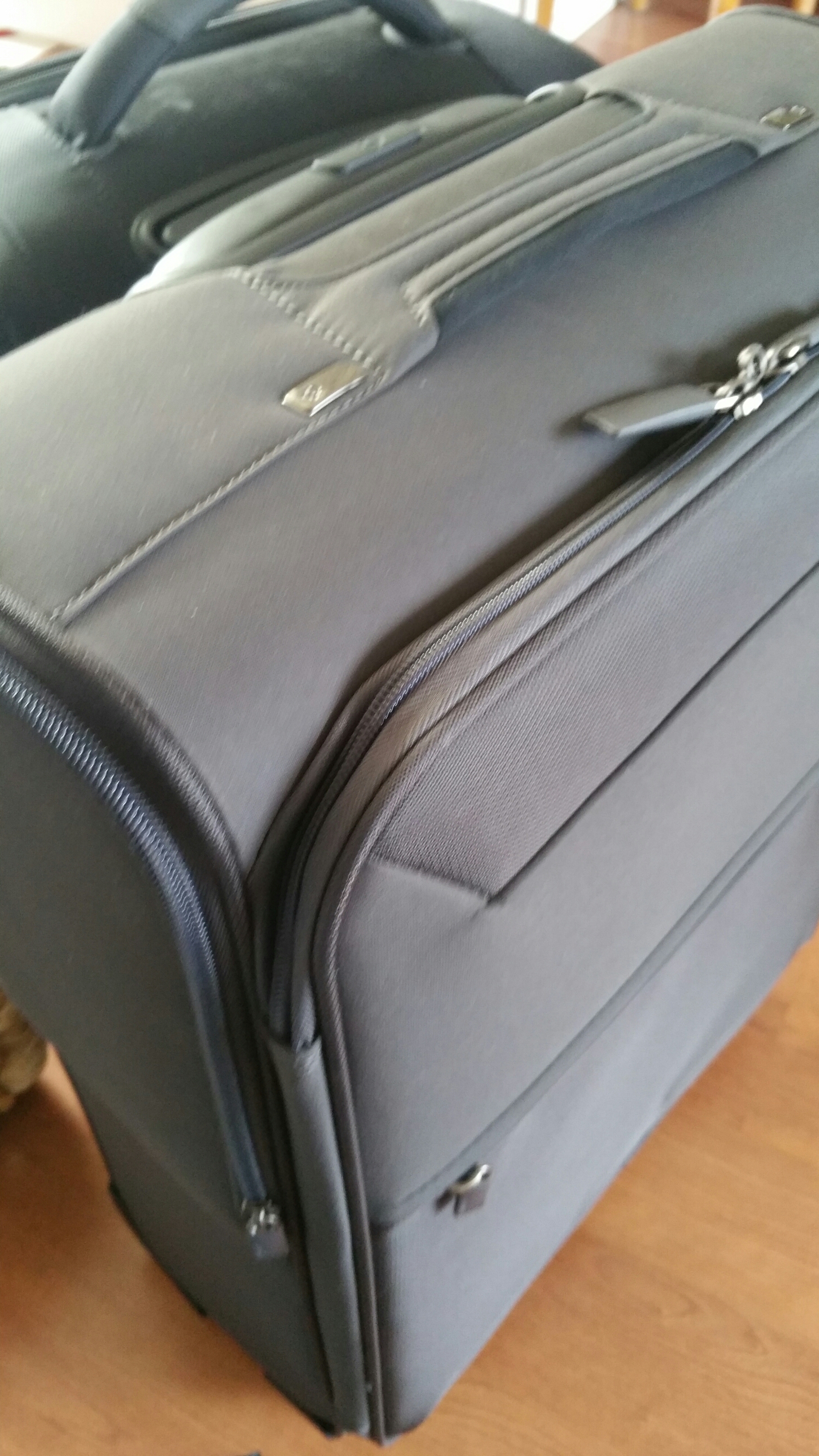
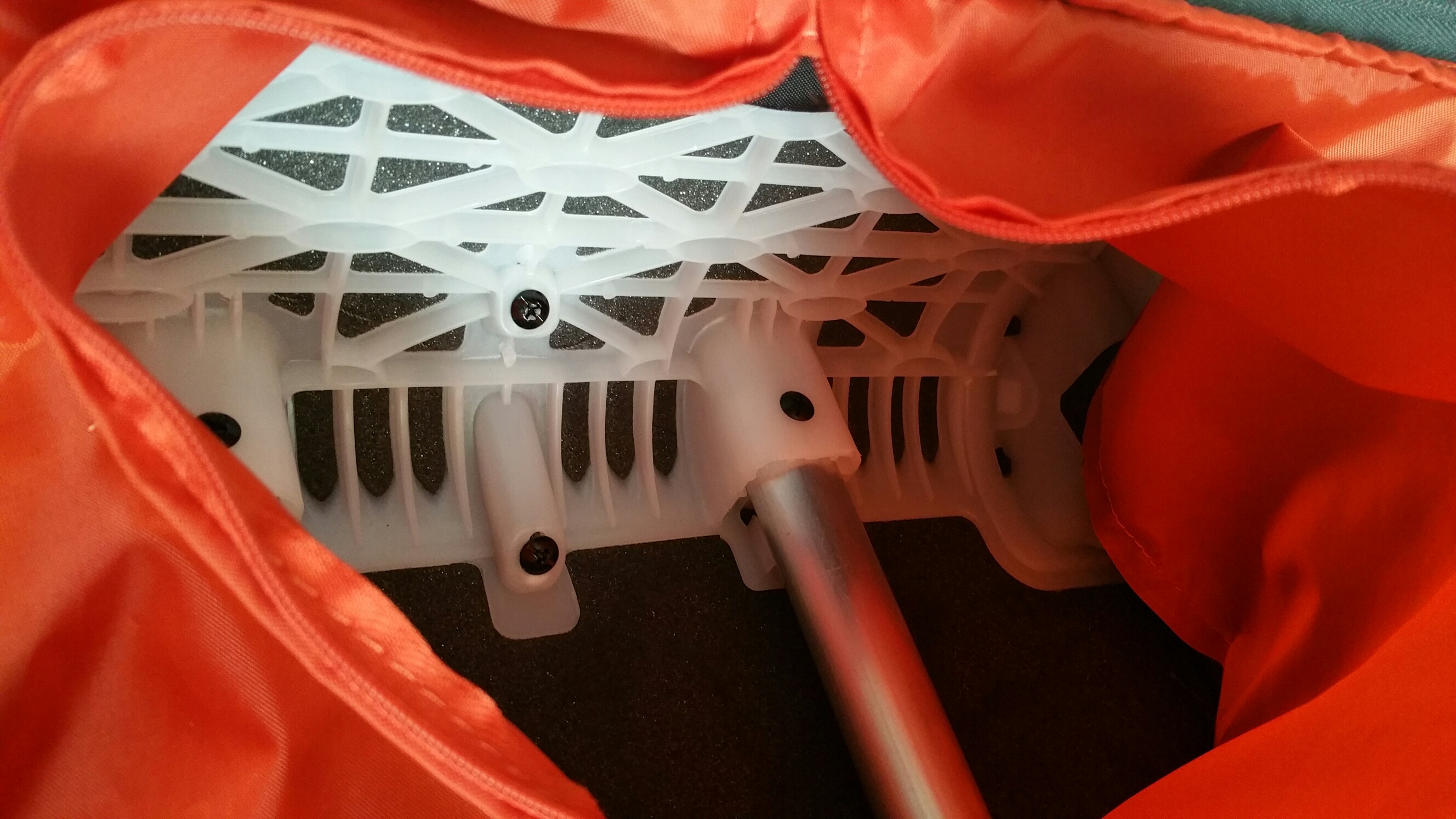
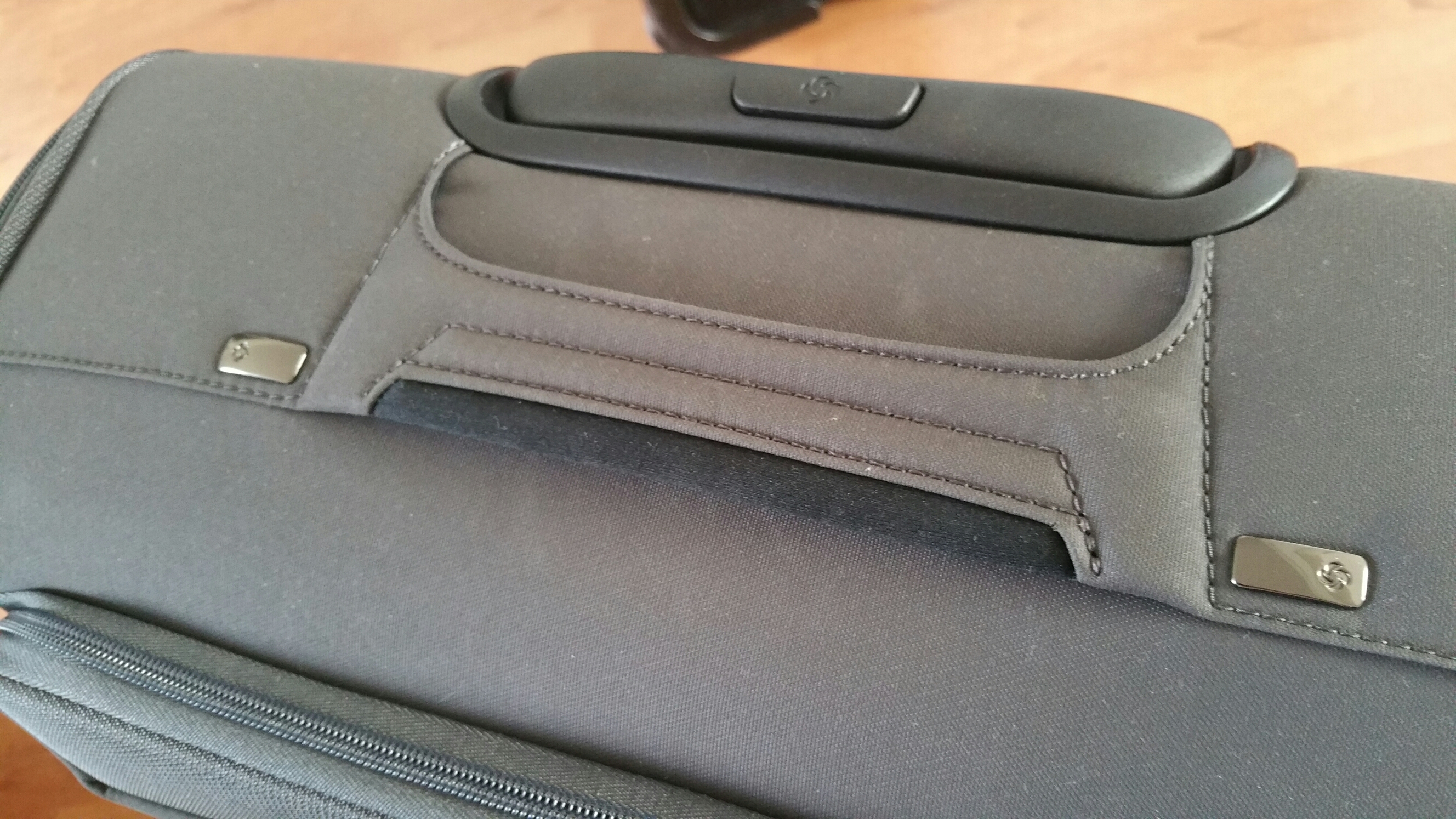
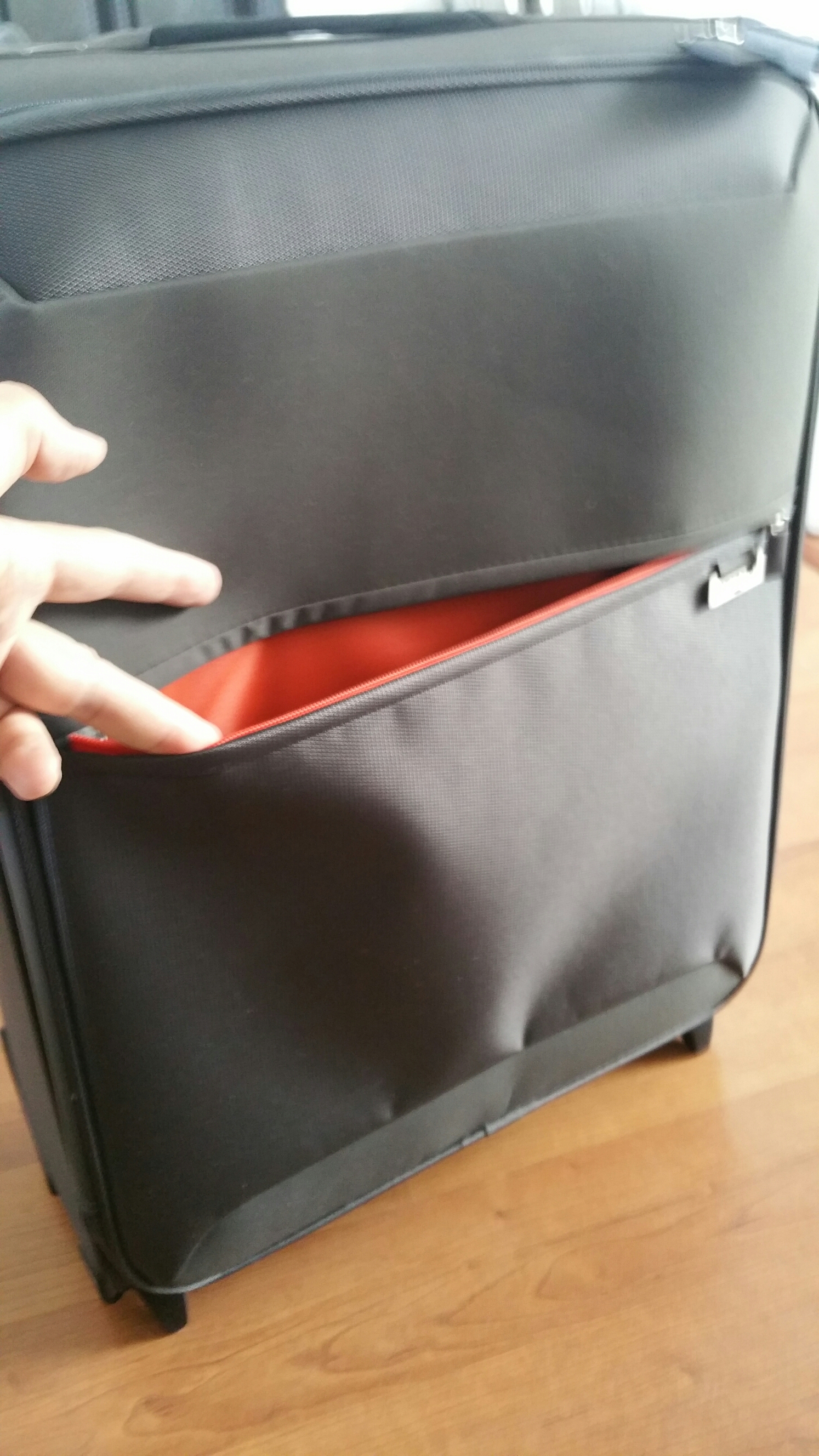
My choice was a new generation Samsonite bag, called Short-Lite Upright 55 cm model (quite a calling name). In the below pics you can see the changes that have happened in the manufacture and design, as well as in weight of these things. As there is often 8 kg (sometimes even 7, or 6 kg) limit to the weight of cabin baggage, every gram or pound matters. The size of this model is 40 x 20 x 55 cm, which falls within the regulated limits. It can hold 41.5 liter, and comes with 5 year warranty. Samsonite had a campaign with 30 % discount in price (€125, down from €179 – there are cheaper alternatives, of course).

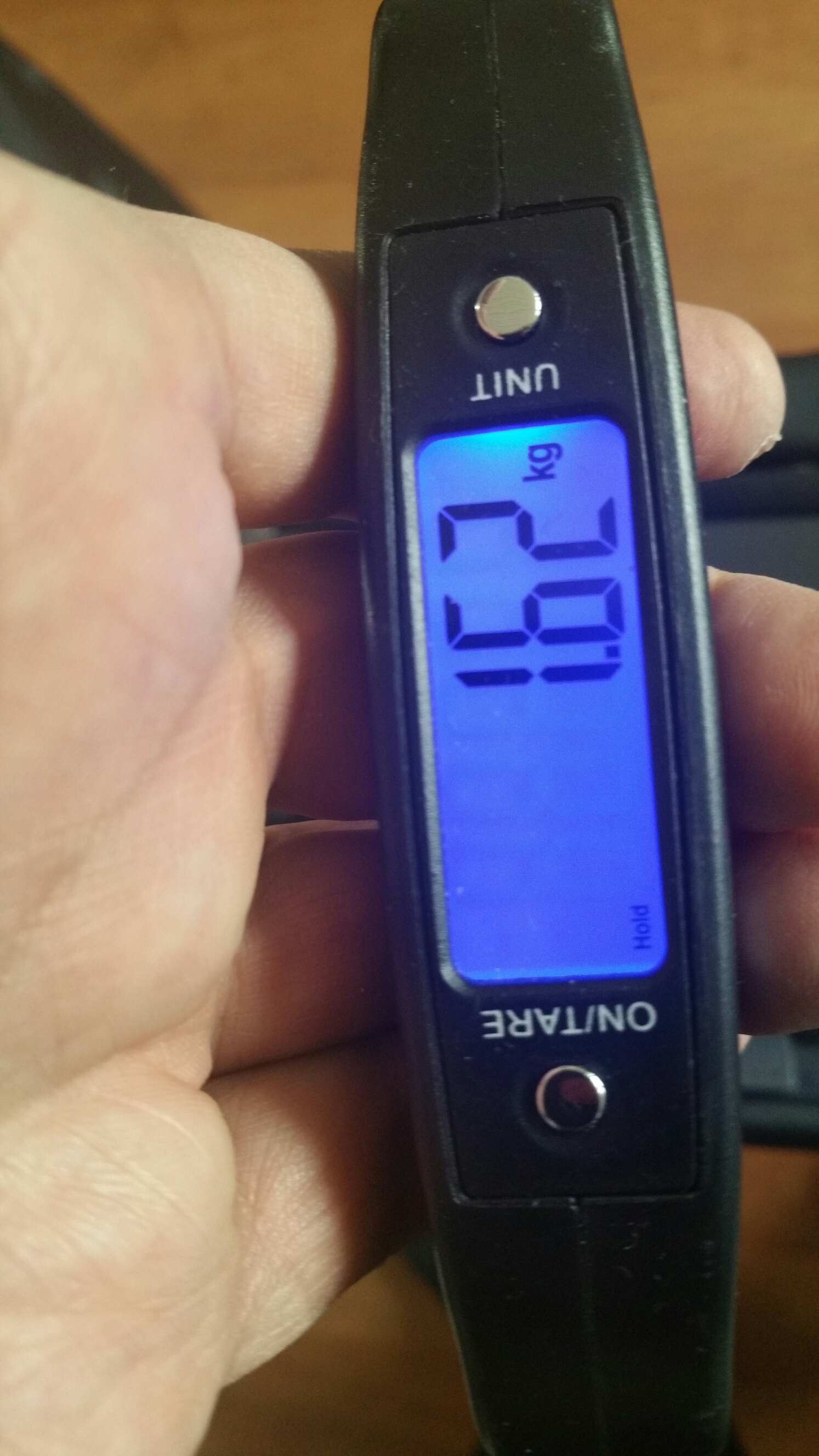
Compared to my old bag, the weight difference is pretty amazing. Old bag is much smaller, yet it has weight of 3.2 kg, which is twice the 1.6 kg of the new, larger cabin bag. The structure is not build to withstand cargo treatment, but feels solid enough and this is after all a soft bag, that you take to the cabin with you. “Edistys edistyy”, as they say in Finnish: Progress Progresses.
image
image

image

image

image

image

image

image

image

image

image

New Touran: The Era of AI-Human Hybrids Is Here?

2016-04-01 14.58.26Due to some practical reasons, we had to update our personal car this spring. Our previous car was a VW Touran that we got in 2011 (when it was necessary for us to fit three kids or baby seats into the back row – Touran is among those very few cars that are sold in Finland that can handle this). Volkswagen’s reputation got really badly tarnished in the pollution cheating scandal in 2015, and it took us some time to consider our options. Finally we nevertheless ended up with a Touran again – there are just too few car models that get right most of the essential specs that our family needs, in the price range we still can afford. There has been some interesting changes in how cars – or at least this particular, German car model – have evolved during the five years that have passed between spring 2011 and 2016, so here are some quick notes.

Firstly: it is a bit disappointing to notice that the fuel economy, climate control or energy consumption elements of Touran have not apparently been at the top priority of VW’s R&D efforts. The excellent TSI motor of VW group has been around for a long time already (I think 1.4 liter TSI was introduced in 2005), and it was ahead of its curve at the time; the emissions were clearly lower than comparable other petrol motors, the power efficiency was so good that VW could make family cars / MPVs (multipurpose vehicles/minivans) that could be moved with 1.4 or 1.2 liter petrol motor. Coupled with the DSG automatic, VW cars have been easy to drive and provide balanced behaviour with well designed interiors that fit need of families with flexible, separate seat arrangements that can fold completely flat when moving cargo of various kinds – all this kind of details help to explain their success. The 2016 Touran model differs from our previous 1.4 TSI model by delivering a bit more power with same cylinders (150 vs. 140 horse powers) and it also has the start/stop system that automatically switches off the motor when the car is stopped in traffic lights, for example.

The key differences that the Touran driver notices are in the assistive, “smart systems” that have taken considerable leaps and entered regular, mainstream cars during the last five years. I am interested enough in futuristic technologies to order this Touran with most (but not all) available “smart” options; these included adaptive cruise control (ACC, utilizing a radar sensor), Front Assist, Park Assist 3.0, Side Assist Plus, Lane Assist, Emergency Assist, and the Traffic Jam Assist. There is also a Traffic Sign Regocnition system that uses camera to keep track of speed limit signs. The Discover Media infotainment system is also from a completely new era, as compared to the basic car radio we had in our 2011 Touran. This one has large capacitive touch screen, Europe-wide navigation system, support for Apple Carplay, Android Auto and MirrorLink standards for getting smartphones with their apps and services linked with the car (though I think Android Auto is not yet working here in Finland?) We also got some extra fuel economy, comfort and security services installed (DEFA WarmUp Link system, with its apps). On the other hand, the “Volkswagen Car-Net” service with its smartphone apps appears to be a work-in-progress; we have not been able to get either iOS or Android versions working at all.

After a couple of test drives, the new car does indeed seem to combine the traditional German stable driving and quality feel with a more informative and “alive” layer of new technologies. (In the mechanical parts side, though, we had a bit too stiff gas spring holding up the hood of our new Touran, so we could not get the hood closed without some expert assistance – there seems to be some holes in VW quality control.) The “operating system” of the new Touran takes considerably more effort than before to really learn and understand. There are both the mechanical controls and switches, the physical buttons in the dashboard that relate to certain key functionalities, and then the touchscreen controls that go deeper into setup of all those multiple smart assisting functions, as well as into controlling the infotainment system. (There is also Voice Control, but that is not supported in Finland/Finnish.) This car also has a multifunction steering wheel, which our old car did not have, and there are loads of more buttons now to learn in there, too. While driving, one can of course ignore most of all this new tech, and just concentrate on the essentials of traffic, but one will notice that the “Assistants” will every now and then engage with the steering, breaks or launch a warning or notice signal of some kind. If one wants to understand and make best use of all assistants, it is necessary to spend some time reading and testing to learn their abilities and also limitations. Driving in the regular country road, one could in principle use now the combination of Lane Assist to steer the car and keep it on the road, and rely on the ACC with its radars to maintain regular speed and safe distance to other road users. However, the systems will flash warning signs if you try to take your hands off the steering wheel for too long, or if you show other signs of losing control – or even consciousness: the Emergency Assist system can show the car and stop it at the side of the road warning lights flashing, if it fails to get proper response from the driver.

I think we are currently at the early stages of hybrid and symbiotic systems in everyday use, and car technology is at the forefront of this evolution. As the learning algorithms, data analytics and artificial intelligence gets better, it is clear that some things really suit better for humans to understand and decide upon, whereas the speed, sensing range and problem-solving capabilities of artificial intelligence systems suit better other kinds of challenges. Learning how to do this basic task division is the key element that a smart car (or smart house, smart environment etc.) user needs to handle first. The new Touran apparently tries to learn the driving habits of its human partner, and adapt to them – but currently I think the human is the one who needs to do more of the adapting. Smart systems are not yet that smart.

(More info, see e.g. VW pages about ACC at: http://www.volkswagen.co.uk/technology/adaptive-cruise-control-acc )

On university mergers, and “Tampere 3”

As UTA staff representative in the Tampere 3 steering group, I have been asked to talk next week in the UTA professors’ forum event. Much is still in the air, and open, but here are some key themes that relate to this topic:

  • The primary goals of the university merger. There has been some unclarity how various parties (state government, university administration, students, staff, etc.) see the primary aims of this merger, but often the primary driver for starting this kind of merger processes has been economic one: consolidating education, research and services into larger units will supposedly open doors for savings. The quality reasons for improvements on the other hand are commonly expressed in terms of the “big is beautiful” model: various reports and policy statements have long claimed that there are too many Finnish universities as compared to the population size of the country (the wide geographical reach is rarely commented in these) and that there is too much fragmentation – small one/two person programs or disciplines have no “critical mass” to systematically evolve and carry out high quality research, or provide strong education. (What is clear is that the effectiveness and focus provided by smaller units is insufficiently understood in these discussions.) It now seems that Tampere 3 merger is moving forward and that it has aspects that both are related to rationalizing, as well as aspects that relate to profiling: i.e. that Tampere region takes a stronger role in some areas (and is then also expected to scale down involvement in some others). There is much need for wisdom and hearing of experts while such crucial strategic decisions are being made. Professors, teachers, other staff and students all have their important contributions to make in this process.
  • Innovation potential vs. realities of work. Change is always a burden, and (if my memory serves me) in UTA for example, the number of staff has already gone down from c. 2.500 to 2.000 in a few years. As there has not been a radical drop in bureaucracy (new requirements for reporting, quality controlling, etc., rather have been introduced in this period), this has meant that numerous tasks that have previously been handled by some assisting personnel, are today handled by professors and other key staff members themselves. There is no longer someone who would quickly and efficiently take care of your travel receipts: after each trip (which there are many, if you collaborate nationally and internationally, as is expected), a professor will stay late at work to do a few extra hours to scan documents, manually input all numbers and explanations of cost items into the travel system, or otherwise fill in and check working hours or budget numbers of his team’s projects into various spreadsheets and administrative databases. This takes its toll, on top of research funding (to give another example) becoming an increasingly competitive and collaborative effort, which, in turn, also means an increase in meetings of various kinds, as well as plenty of grant and plan writing, report writing and form filling work. The university staff is already overburdened, some are seriously struggling in keeping up with the various requests coming into their overflowing inboxes and shared electronic calendars, and the atmosphere towards starting yet another radical round of restructuration is therefore not exactly optimal. In UTA, there used to be over 30 discipline-based departments and a mid-layer of faculty structures on top of that, but in 2011 this was restructured into nine larger Schools, and some aspects of that change have yet not been properly processed, and continue to create their own challenges (see: http://www.uta.fi/ajankohtaista/yliopistouutiset/1010/0510/yksikkojako.pdf). Yet, that said, there is nevertheless also genuine potential to find mutually complementing counterparts in the Tampere 3 restructuration – or at least get an opportunity to fix some of the errors that were made in the previous restructuration rounds. “Change is good” mantra might sound like a joke for a tired and overworked academic staff member, but there truly is also catalysing potential and opportunities for genuine innovation when the wide range of UTA, TUT and TAMK education, research and societal collaboration activities are brought together in sensible and clever, new ways. But this sense and cleverness requires that the best expertise in understanding complex phenomena, and the true substance of research and other academic work is used and activated as this process moves forward.
  • Resources and promises. Much of this boils down to how the extra overhead related to the merger will be resourced and managed. Many members of staff are currently cautious, due to seeing all too well the dangers of committing to overambitious objectives with insufficient resources. On the other hand, there is also pent-up energy and need for taking the next steps and building the new university: there are highly dynamic young (and older) researchers, teachers and administrators who have witnessed the societal transformations, seen the potential for innovation, who have published research or piloted new models in their individual projects, but who have not yet been provided an opportunity to apply these lessons to wider scale in their own institution. Such best experts and research-based solutions are now in crucial demand, as the excellent opportunity potential in Tampere 3 finally starts to open up in a big way. The unique profile of Tampere 3 in societal, cultural, technical and health related research areas, as well as the strong expertise in some really interesting, collaborative and experimental work that has been carried out in Tampere means that a new and interesting university can be created that can in flexible and multidisciplinary manner tackle many of the challenges related to the future societal developments. But that creation process requires a lot of work. And when work needs to be done, both energy, enthusiasm, expertise – and money – need to come together, and be channelled in a wise manner. Let’s hope that we are lucky enough to have that wisdom in Tampere, as well as in the Finnish government.

Surfacing experiences

2016-02-26 18.08.19
I have been testing the Surface Pro 4 mobile device / two-in-one Windows 10 computer recently – here are some first impressions:

Windows 10 “Hello” feature with its biometric (camera) login is fast and more convenient way to log in to a mobile device that is constantly closed and opened than e.g. passwords or even a fingerprint reader – you just start the tablet and look at it, and it recognizes you and unlocks (the first times it does this feel almost magical).

After installing few essential pieces of software (and updates to the Windows 10 OS), the next thing one notices is fan noise: the process of Dropbox downloading my data from the cloud heated the system so much that the small vents were really pushing air out; on the other hand, after some OS updates, in regular use Surface Pro 4 seems to be mostly rather quiet and cool device.

The touch-screen pen that attaches to the sides of device with snappy magnets is well designed and functional; however, it takes some time to realise that the Surface Pen works in different way than most other such pointing devices. You cannot navigate, flip or scroll web pages using the pen, for example. Microsoft has decided to disable that functionality, which frankly feels pretty weird. The pen selects and draws, but you need to use your fingers to scroll through pages, that is the Surface way. Changing hands to do such basic things requires some learning. There seems to be also some inconsistency in how the pen works in different applications and OS screens, but I need to experiment further to make sure.

2016-02-26 18.09.46The most essential accessory (apart from Surface Pen) is the Type Cover, which is a pretty good keyboard & touchpad combo. It is not perfect (there is some flex, and a flappy cover is never a solid part of device like a real clamshell laptop keyboard is), but it is much better than many other keyboard covers for mobile devices. Keys have slightly rubbery feel and I cannot get as high typing speed as e.g. with a good ThinkPad keyboard or Logitech K810, for example, but with this keyboard Microsoft is almost there. The touchpad is a smooth glass thing that reacts precisely, is large enough and can handle multitouch (five simultaneous touch points), so gestures work fine. (The double-tap and select actions do not always register, however, as the touchpad is affected if Surface Pro is used in uneven or soft surfaces.) The trick is to develop the necessary skills where you automatically put your hands for some tasks to the touchscreen of Surface display, and for some to the touchpad – and then do some elements in multitasking with keyboard combos (Win-Tab, Ctrl-Tab, Alt-Tab etc.) and even then some tasks with the pen. The form factor of Surface also changes depending whether you use it with the keyboard or not, in landscape or vertical orientation, or whether the OS is in Windows 10 desktop mode or tablet mode (the “Metro” user interface that was introduced in Win 8).

This leads to the key lesson derived from testing Surface Pro 4 so far: it is essentially a “Pro” thing, rather than a casual entertainment and surf board. The lack of really high quality, polished and well-designed apps for Win10 tablet mode emphasises that the key use case still lies at the PC desktop side of things. And there is nothing wrong with that: most professionals will benefit from a fully-powered laptop that can also double as a crisp and sharp tablet for those presentation, negotiation or demo events, for example. Ability to use multiple interaction modalities and control techniques, coupled with flexibility and extensive range of different software (communications, office tools, games, media, arts, design tools, etc.) also means that the scope of uses Surface Pro 4 can handle is really great – but that the entire experience also involves its fair share of complexity. While using an iPad, for example, is so straightforward that you can hand one to your grandma and expect her to manage on her own (mostly), Surface Pro has a mixture of elements that are useful and well designed, but can at least initially confuse even a power user.

Where Microsoft cannot get full points is software finish, however. Particularly the display driver of Surface Pro appears to be still half-finished and buggy: e.g. it is now clear that one should not use the default Windows 10 Edge browser with Surface Pro 4, as entering sleep mode with the Edge open will most likely crash the display driver, and the OS even. It is common to see completely blurred, unreadable text rendered in Edge. Giving up on Edge and using Google Chrome fixes that. Another buggy thing is the way sleep mode is implemented in general. There seems to be quite a lot of Windows software that either stops Surface Pro 4 from entering the sleep mode altogether, or which keeps some processes running so intensely, that the fans keep pushing hot air out even while device is supposed to be “sleeping”, and the battery will run out quickly. (I had to uninstall Skype immediately, and Lync/Skype for Business was as bad.) The battery life is a key interest to any mobile worker, and Microsoft really needs to work on this even more. There are multiple different results in the reviews, done with wildly different settings and processor loads: some claim to get 10+ hours from Surface Pro 4, some say that in heavy use three hours is closer to reality. I still have to test this, but I would say that for typical office use, Surface Pro 4’s battery and the way Windows 10 and its current generation of drivers operate, a full working day (I mean a long working day) is probably too much to ask. This is disappointing, but I think about five hours of real-time use with moderate load and multitasking is all it can do. There might be some battery saving techniques, tweaks to the display brightness etc. that will have an effect, but most users will probably not try anything like that, and just try hunting for a power outlet throughout the day – and that is not a good thing for a cutting edge, professional device that is designed primarily for mobile use in 2016. Making a tablet that is also a PC, capable of running fully powered versions of standard productivity software is not that easy feat.

I think that Surface Pro is still “work in progress”, and there are new system software updates coming out every now and then, fixing the worst bugs (at least sometimes), but much work still remains to be done. But even in its current form, Surface Pro 4 might be the optimal compromise for some – most probably for some experienced Windows power users that have need for all that flexibility and multiple use cases that Surface Pro 4 affords, and who are also willing to find solutions and work-arounds for bugs, and to learn new ways of working and handling their tools, in order to get the most out of this “mobile workstation”.

More information: https://www.microsoft.com/surface/ (Microsoft’s marketing pages for Surface Pro).

Edit: I have now (29 Feb, 2016) been using SP4 for a few full work days, and while using Chrome and avoiding installing any more sleep-messing software (Skype, Lync, Win10 ‘Messaging/Skype Video’ app), the situation has been much better than initially, the battery life remains as the main bottleneck. Perhaps bit over a half of regular, intensive work day, and you need to find the power brick. But what this tool delivers, I love: it is light enough (though more hefty and solid than an iPad, of course), and capable enough to run whatever text, media, graphics software I have thrown at it. Game testing is the next in line, and while I do not have spectacular expectations (this has no powerful discrete graphics card), it should manage some DOTA, Minecraft etc. We’ll see.

2016-02-26 18.13.40

Tablets as productivity devices

Logitech Ultrathin Keyboard for iPad Air
Professionally, I have a sort of on-off relationship with tablets (iPads, Android tablets, mainly, but I count also touch-screen small-size factor Windows 2-in-1’s in this category). As small and light, tablets are a natural solution when you have piles of papers and books in your bag, and want to travel light. There are so many things that every now and then I try to make and do with a tablet – only to clash again against some of the limitations of them: the inability to edit some particular file quickly in the native format, inability to simply copy and paste data between documents that are open in different applications, limitations of multitasking. Inability to quickly start that PC game that you are writing about, or re-run that SPSS analysis we urgently need for that paper we are working on.

But when you know what those limitations are, tablets are just great for those remaining 80 % or so of the stuff that we do in mobile office slash research sort of work. And there are actually features of tablets that may make them even stronger as productivity oriented devices than personal computers or fully powered laptops can be. There is the small, elite class of thin, light and very powerful laptop computers with touch screens (running Windows 10) which probably can be configured to be “best of both worlds”, but otherwise – a tablet with high dpi screen, fast enough processor (for those mobile-optimized apps) and excellent battery life simply flies above using a crappy, under-powered and heavy laptop or office PC from the last decade. The user experience is just so much better: everything reacts immediately, looks beautiful, runs for hours, and behaves gracefully. Particularly in iOS / Apple ecosystem this is true (Android can be a bit more bumpy ride), as the careful quality control and fierce competition in the iOS app space takes care that only those applications that are designed with the near-perfect balance of functionality and aesthetics get into the prime limelight. Compare that to the typical messy interfaces and menu jungles of traditional computer productivity software, and you’ll see what I mean.

The primary challenge of tablets for me is the text entry. I can happily surf, read, game, and watch video content of various kinds in a tablet, but when it comes to making those fast notes in a meeting where you need to have two or three background documents open at the same time, copy text or images from them, plus some links or other materials from the Internet, the limitations of tablets do tend to surface. (Accidentally, Surface 4 Pro or Surface Book by Microsoft would be solutions that I’d love to test some of these days – just in case someone from MS sales department happens to read this blog…) But there are ways to go around some of these limitations, using a combination of cloud services running in browser windows and dedicated apps and quickly rotating between them, so that the mobile operating system does not kill them and lose the important data view in the background. Also, having a full keyboard connected with the tablet device is a good solution for that day of work with a tablet. iPad Air with a premium wireless keyboard like Logitech K811 is shoulders above the situation where one is forced to slowly tap in individual letters with the standard virtual keyboard of a mobile device. (I am a touch-typist, which may explain my perspective here.)

In the future, it is increasingly likely that the differences between personal computers and mobile devices continues to erode and vanish. The high standards of ease of use, and user experience more generally, set by mobile device already influence the ways in which also computer software is being (re-)designed. The challenges waiting there are not trivial, though: when a powerful, professional tool is suddenly reduced into a “toy version” of itself, in the name of usability, the power users will cry foul. There are probably few lessons in the area of game (interface) design that can inform also the design of utility software, as the different “difficulty levels” or novice/standard/expert modes are being fine-tuned, or the lessons from tutorials of various kinds, and adaptive challenge levels or information density is being balanced.

CFP: Finncon 2016 Academic Track

Call for Papers for the Academic Track at FINNCON 2016

Fantastic Visions from Faerie to Dystopia

July 1–3, 2016, University of Tampere, Tampere, Finland

Finncon 2016 is one of the largest events in Europe for anyone interested in science fiction and fantasy. By tradition, it is free of membership fee, and offers you several programme tracks with presentations, panels and lectures on all aspects of science fiction and fantasy. The main language will be Finnish, but there are programme tracks also in English and Swedish. For more information, see http://2016.finncon.org/en/what-is-finncon/.

Finncon 2016 includes an academic track, organised in cooperation with the University of Tampere research project Darkening visions: dystopian fiction in contemporary Finnish literature and the Finnish Society for Science Fiction and Fantasy Research (FINFAR, http://finfar.org/en).

The Finncon 2016 Academic Track aims to bring together a wide range of scholarly perspectives on the speculative and the fantastic. We hope for a broad, interdisciplinary discussion on the many ways in which genres such as fantasy, science fiction and horror take their readers, users, and consumers to strange speculative worlds, from modern dystopias to classic fairylands.

The Academic Track now invites presentations on fairy tales and dystopia. The general theme of Finncon 2016 is fairy tales, and accordingly the Author Guests of Honour are Catherynne M. Valente (USA), Jasper Fforde (UK) and Anne Leinonen (Finland). Fairy tales are a part of the shared human cultural heritage, and each culture has fairy tales of its own. Although fairy tales are often seen as children’s culture, fairy tale tropes and motifs may also belong to a galaxy far, far away, as they have become material for popular culture in many forms.

We also wish to emphasise the fiction of dystopia. One of the most noticeable trends in speculative fiction has been the rise of dystopian themes and visions that expand from undesirable, oppressive societies to apocalyptic and post-apocalyptic scenarios of the future of the mankind and life on earth more generally. What is the attraction of these dark imaginations that also penetrate young adult fiction?

The Guest Scholar will be Raffaella Baccolini (University of Bologna), who will give a plenary lecture and comment on papers.

Proposals for scholarly papers from any academic discipline that seek to examine, interrogate, and expand research related to any aspect of fairy tales or dystopia, for any age group, in any medium are welcome. Papers will be allowed a maximum presentation time of 20 minutes.

Please submit a 500-word proposal describing the content of your proposed paper, and a few words about yourself and your research to either Saija Isomaa (saija.isomaa@uta.fi) or Jyrki Korpua (jyrki.korpua@gmail.com).

The deadline for the proposals is February 29, 2016.

Tampere is easy to get to either directly by air or by train (or car) from Helsinki. The convention location is the University of Tampere which is downtown, near the train station and a short way from several hotels, shops and markets.

If you have any questions about the Finncon 2016 or the Academic Track, please contact Liisa Rantalaiho (liisa.rantalaiho@uta.fi).

The Bard of the Postmodern has Gone

There are people who defy definitions. David Bowie created beauty, then something ugly, next, something just plain weird. He was the crystallization of curiosity of spirit – never resting for long, never completely satisfied with the peaks already reached. Always reaching out, towards something new, unseen, something never experienced before.

The range of Bowie’s experimentation respected no boundaries, and inspired not only other creators, but opened up new worlds for identity expression for entire generations. Like Goethe’s Faust two centuries before, Bowie embraced changes, sought ever new challenges – in the words of Faust to Mephistopheles: “If I be quieted with a bed of ease / Then let that moment be the end of me”…

David Bowie never stopped. Even in his dying days, he worked and sought new avenues to expressing what human condition is, how it can be seen – transforming his own death into a work of art in the process.

Fly with the angels, Spaceboy.

Sanna Malinen’s PhD defence

2016-01-08 14.31.49Today researcher Sanna Malinen defended her PhD thesis in the University of Tampere. The opponent in the public defence was professor Pekka Räsänen from the University of Turku, professor Frans Mäyrä acted as the custos. The abstract and download link to the full, PDF version of the dissertation, titled Sociability and Sense of Community among Users of Online Services, are below:

The dissertation explores a current and popular phenomenon referred to as ‘online communities’ from both theoretical and empirical viewpoints. Online communities are discussed in the context of a wider development in social life from small geography-based units to large and dispersed social networks, which can be mediated by technology. In this study, online communities are understood as fluid objects that are created and maintained through users’ social interactions and actual social practices. Therefore, they are not stable and fixed groups but, instead, a social process that transforms over time.
The empirical portion of this work illustrates the multifaceted nature of the research subject and consists of five case studies exploring the usage of software intended for various purposes: an online photo-sharing service, an online exercise diary, online auctions, and social-media applications for smartphones. In addition, there is a research article consisting of a literature review that synthesise research into online community participation conducted over the past 12 years. The findings from the empirical sub-studies show that community-evocative feelings and behaviors can emerge within various online settings, including dispersed networks and content-oriented sites focusing on artefacts that users produce, such as photographs. However, users can have very different orientations with respect to their interest in social networking and community-building within the context of the same site. The literature review shows that the majority of previous research on user participation has focused on the quantity of their activity. Instead of dividing users into active and passive on the basis of the amount of content they produce, research should acknowledge that there is greater variety in the ways of participating and belonging to an online community.
The dissertation vividly illustrates that online communities are a constantly changing and developing phenomenon. In recent years, the most notable technological changes have been the surge in popularity of large-scale social network sites and increased usage of the Internet via mobile devices. In order for the concept of community to be applied in description of online sociability within current technological settings, the meaning of this term and the criteria for community needs to be rethought.

The full dissertation: http://tampub.uta.fi/handle/10024/98292.