CFP: Nordic Digra 2014

lankoski's avatarPetri Lankoski

Games are becoming more and more pervasive in our everyday life. Gamification and game-based learning are research topics that are blooming. Games are also used in electioneering.

We invite submission for full papers and for workshops. Topics of interest include, but are not limited to:

– gamification
– games in society
– games and learning
– games as propaganda
– persuasive games
– games in teaching
– critical stances to gamification and game-based learning

IMPORTANT DATES
– Full paper submission and workshop proposals March 30, 2014
– Notification of acceptance: April 25, 2014
– Camera ready May 18, 2014
– Conference: May 29-30, 2014

SUBMISSIONS

Papers submitted are subject to peer review.

Long papers should be 8 to 12 pages in Digra format (http://todigra.org/public/journals/1/DiGRAJournalPublicationFormat.dotx) . For detailed information see Submission page. Selected papers will be published in conference site as well as at Digital Library of Digital Game…

View original post 42 more words

Quantified Self & Withings Pulse

Withings Pulse
Withings Pulse

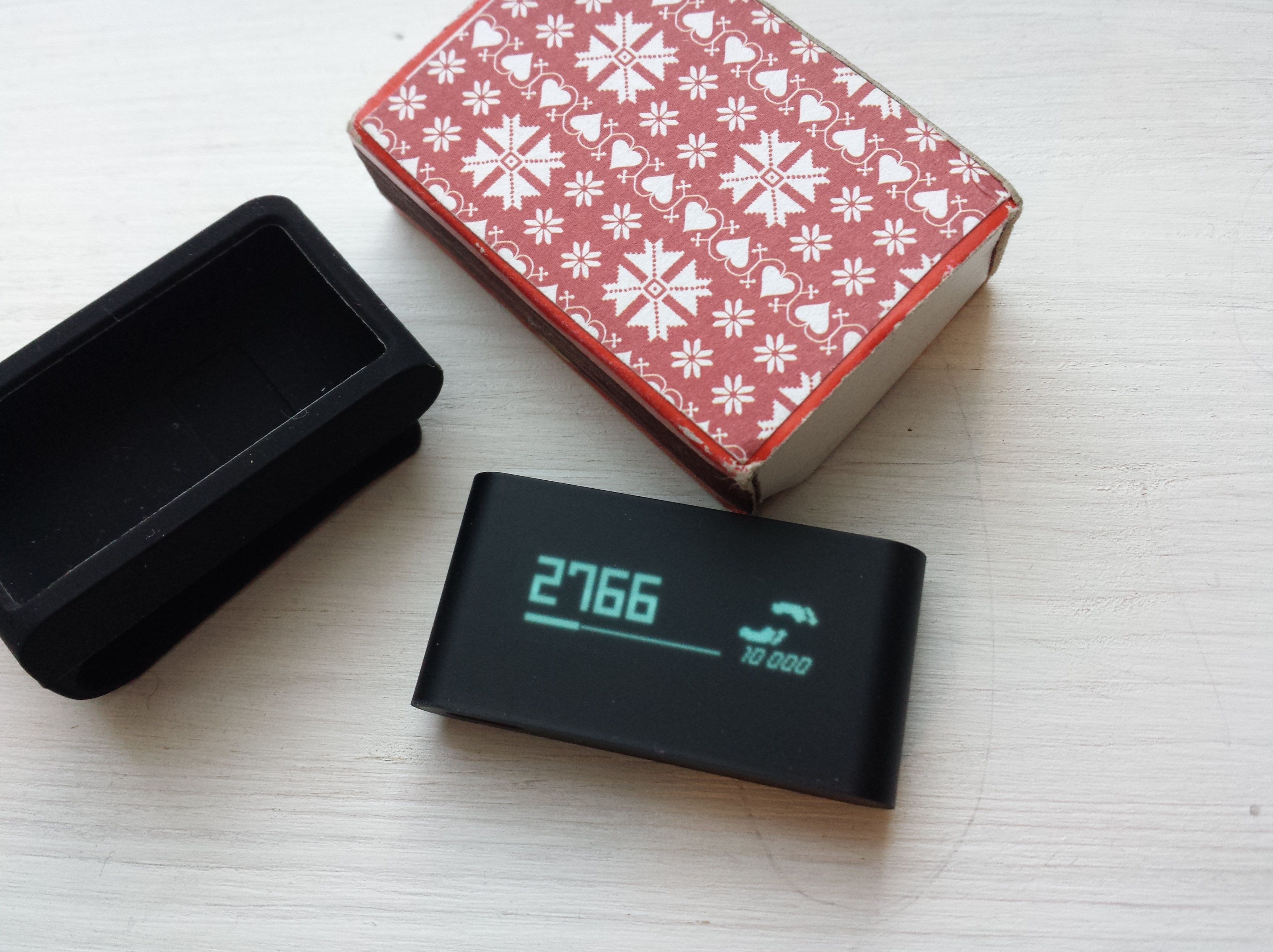
Pictured: Withings Pulse device, smaller than a third of a matchbox. – I have had my doubts about the “Quantified Self” movement (or just a vogue), but there are also some promising aspects in the concept of increasing information and awareness about your health and fitness. The obvious downsides include the potential for increased self-focus, obsession, stress, and data deluge. The (gamification-style) counter-argument is that when you get clear and immediate feedback on the relevant aspects of your life, it becomes more motivational, and it becomes easier to cajole yourself into doing stuff that you’d really want to do, in the first place.

Withings Pulse is the device that I am testing at the moment. Small, 8 gram marvel of miniaturization, it has sensors to measure movement, elevation, acceleration and many similar things — it even has a heart rate monitor that can be used to capture heart beat values every now and then — and connects via bluetooth to the smartphone app few times a day so that you can get nice, illustrative graphs and stats from the free Withings app. Withings is one part of the mushrooming new health data industry, with scales, blood pressure monitors, baby monitors as well as activity trackers in its connected-devices ecosystem. For a user, the crucial question is how well the supposed use style of these smart things actually fits with one’s lifestyle. Simply carrying the passive measuring device in your pocket is not too much a burden, but in order to fully benefit from this technology, one really should regularly start and stop the sleep recorder, step to the smart scale for body monitoring, then remember to set the relevant apps and sensors in the correct configuration, depending on whether one is following a particular training program, or just tries to see how many steps one takes during a regular working day.

It is perhaps too early to say how mainstream these technologies will become, in the end. But I see signs of a science-fictional future emerging: one where we are constantly getting readouts about the (previously pretty opaque) internal doings of our bodies, and personal health assistants alarming us in good time before any life threatening issues have time to develop. It is important also to keep track on how the individual freedom, protection of privacy and the voluntary character of such, highly sensitive data collection will work out in the future “culture of transparency”.

Link, Withings Pulse web page: http://www.withings.com/pulse

Tietojenkäsittelyn päivät 2014

[Please spread the CFP – I will be a keynote here]:

Call for papers: Yhdistetyt tietojenkäsittelyn päivät, 3.-4.6.2014, Lappeenranta

Päivien järjestelytoimikunta kutsuu aihepiirin tutkijoita ja jatko-opiskelijoita pitämään esityksiä tutkimuksestaan. Väitöskirjatyötä ja tutkimusprojekteja tiivistävät artikkelit ovat tervetulleita. Esityksiin liittyvät artikkelit julkaistaan erillisessä painetussa julkaisussa ja ne vertaisarvioidaan.

Tänä vuonna esityksiä ja artikkeleita haetaan seuraavilla kategorioilla:

Pidempi tutkimusartikkeli (max 8 sivua, LP). Esimerkiksi ryhmän tai tutkijan tutkimustuloksia tiivistävä artikkeli tai päivien teemaan (pelit ja pelillistäminen) liittyvä artikkeli. Hyväksytyistä artikkeleistä pidetään esitys (20 min) päivien aikana. Keskipitkä tutkimusartikkeli (max 4 sivua, SP). Esimerkiksi ryhmän tai tutkijan alustavia tutkimustuloksia esittävä artikkeli tai päivien teemaan liittyvä artikkeli, ts. work-in-progress artikkeli. Hyväksytyistä artikkeleista pidetään esitys (10 min) päivien aikana. Lyhyt poster/demo artikkeli (2 sivua), joka tiivistää projektin/tutkimustuloksen keskeiset asiat. Poster esitykset pidetään erillisessä sessiossa jälkimmäisenä päivänä.

Tämän vuoden teemana on pelit ja pelillistäminen.

Artikkelit jätetään EasyChair -konferenssijärjestelmään alla olevan aikataulun mukaisesti. Kunkin artikkelin kohdalla pyydämme tarkentamaan aihepiiriä lähinnä olevan seuran. Artikkelien tulee olla julkaisemattomia. Valinnan tekee tieteellinen arviointitoimikunta ennakkoon lähetettyjen artikkelien perusteella. Tieteelliseen arviointikuntaan kuuluvat seurojen hallitusten jäsenet ja paikallisen järjestelytoimikunnan tohtorit.

Kirjoitusohjeet

Artikkelien tulee olla suomen- tai englanninkielisiä. Artikkelin ja siihen liittyvän esityksen pitää olla siinä määrin yleistajuisia, että tietojenkäsittelytieteiden eri alojen edustajat voivat seurata niitä. Suosittelemme, että artikkeli laaditaan valmista ACM SIGGRAPH mallipohjaa käyttäen, paperin koko A4.

Päivien sivusto: http://www2.it.lut.fi/ytp2014/

EasyChair-linkki: aukeaa Helmikuussa

Aikataulu

28.3. Artikkeli jätetty arviointia varten.
21.4. Hyväksymiskirjeet valituille
2.5. Lopullinen korjattu artikkeli

Poster-ohjeet

Päivien aikana pidetään posterisessio. Posterin koko rajoitetaan A0.
Järjestelytoimikunnan puheenjohtaja, Kari Heikkinen {@lut.fi}

———–

English Summary

This year we are soliciting unpublished articles pertaining to the themes of the societies. The articles can present original new research results as well as summarize PhD work and research projects. Research summary articles should present the recent advances in their context, and also consider future directions of the topic. All articles will be peer-reviewed and the accepted articles and posters will be published in the conference proceedings with an ISSN number.

Articles can be either longer research articles (maximum of 8 pages) that present and summarize research results, short research articles (maximum of 4 pages) that present the work-in-progress or posters (2 pages) that summarize the key points of the research. Longer and shorter articles will be presented during the conference, and posters (size A0) will be presented in the poster session. We recommend using ACM SIGGRAPH A4-template format for submission. Each year the event has a theme; this year the theme is games and gamification.
Articles are submitted with the Easychair system. The deadlines are the following:

28.3. Submission deadline to EasyChair
21.4. Notifications of review results
2.5. Final camera ready article

Website: http://www2.it.lut.fi/ytp2014/
EasyChair-link: opens at February

On the behalf of the organizing committee,
Chair: Kari Heikkinen {@lut.fi}

DiGRA 2013 Proceedings

The proceedings of last year’s “world DiGRA” conference are now online. There are e.g. some work I have collaborated and contributed to:

Mäyrä et al., Disciplinary Identity of Game
Scholars: An Outline:

http://www.digra.org/digital-library/publications/disciplinary-identity-of-game-scholars-an-outline/

Schott et al., DeFragging Regulation: From putative effects
to ‘researched’ accounts of player experience:

http://www.digra.org/digital-library/publications/defragging-regulation-from-putative-effects-to-researched-accounts-of-player-experience/

Game Research Panel

There will be the panel discussion on the relation between research and game development in the Games Now series next Monday in the Aalto university. Speakers will be Aki Järvinen, Markus Montola and myself, so Tampere Game Research Lab is strongly present in the discussions. More:

http://mediafactory.aalto.fi/games-now/role-of-research-panel/

CFP: Fafnir – Nordic Journal for Science Fiction and Fantasy Research

Please circulate this CFP (I am at the journal advisory board representing game studies related themes):

CALL FOR PAPERS 2/2014

Fafnir – Nordic Journal for Science Fiction and Fantasy Research invites authors to submit papers for the upcoming edition 2/2014.

Fafnir – Nordic Journal for Science Fiction and Fantasy Research is a new, peer-reviewed academic journal which is published in electronic format four times a year. The purpose of Fafnir is to join up the Nordic field of science fiction and fantasy research and to provide a forum for discussion on current issues on the field. Fafnir is published by FINFAR Society (Suomen science fiction- ja fantasiatutkimuksen seura ry).

Now Fafnir invites authors to submit papers for its next edition, 2/2014. Fafnir publishes various texts ranging from peer-reviewed research articles to short overviews and book reviews in the field of science fiction and fantasy research.

The submissions must be original work, and written in English (or in Finnish or in Scandinavian languages). Manuscripts of research articles should be between 20,000 and 40,000 characters in length. The journal uses the most recent edition of the MLA Style Manual. The manuscripts of research articles will be peer-reviewed. Please note that as Fafnir is designed to be of interest to readers with varying backgrounds, essays and other texts should be as accessibly written as possible.

The deadline for submissions is 28 February 2014.

In addition to research articles, Fafnir constantly welcomes text proposals such as essays, interviews, overviews and book reviews on any subject suited to the paper.

Please send your electronic submission (saved as RTF-file) to all three editors at the following addresses: jyrki.korpua@oulu.fi, hanna.roine@uta.fi and paivi.vaatanen@helsinki.fi. For further information, please contact the editors.

This edition is scheduled for June 2014. The deadlines for the submissions for the next two editions are scheduled at 31 May (3/2014) and 31 August (4/2014).

Best regards,

Jyrki Korpua, Hanna-Riikka Roine and Päivi Väätänen
Editors, Fafnir – Nordic Journal for Science Fiction and Fantasy Research

Simulation & Gaming, Finnish Special Issue

Simulation & GamingThere is an interesting bunch of articles now available in the “Online First” area of Simulation & Gaming journal, featuring the work carried out in Finnish simulation, gaming & game studies field (some of it by researchers affiliated with our UTA Game Research Lab), highly worth checking out:

Development of a Finnish Community of Game Scholars
J. Tuomas Harviainen, Timo Lainema, Jaakko Suominen, and Erno Soinila
Simulation & Gaming 1046878113513533, first published on December 3, 2013 as doi:10.1177/1046878113513533
http://sag.sagepub.com/content/early/2013/11/27/1046878113513533.abstract

Hypercontextualized Learning Games: Fantasy, Motivation, and Engagement in Reality
Carolina Islas Sedano, Verona Leendertz, Mikko Vinni, Erkki Sutinen, and Suria Ellis
Simulation Gaming published 30 December 2013, 10.1177/1046878113514807
http://sag.sagepub.com/cgi/content/abstract/1046878113514807v1

Subjective Experience and Sociability in a Collaborative Serious Game
Kimmo Oksanen
Simulation Gaming published 25 December 2013, 10.1177/1046878113513079
http://sag.sagepub.com/cgi/content/abstract/1046878113513079v1

Social Network Games: Players’ Perspectives
Janne Paavilainen, Juho Hamari, Jaakko Stenros, and Jani Kinnunen
Simulation Gaming published 25 December 2013, 10.1177/1046878113514808
http://sag.sagepub.com/cgi/content/abstract/1046878113514808v1

Experience Assessment and Design in the Analysis of Gameplay
Benjamin Cowley, Ilkka Kosunen, Petri Lankoski, J. Matias Kivikangas, Simo Järvelä, Inger Ekman, Jaakko Kemppainen, and Niklas Ravaja
Simulation Gaming published 23 December 2013, 10.1177/1046878113513936
http://sag.sagepub.com/cgi/content/abstract/1046878113513936v1

Formation of Novice Business Students’ Mental Models Through Simulation Gaming
Lauri-Matti Palmunen, Elina Pelto, Anni Paalumäki, and Timo Lainema
Simulation Gaming published 23 December 2013, 10.1177/1046878113513532
http://sag.sagepub.com/cgi/content/abstract/1046878113513532v1

Physiological Linkage of Dyadic Gaming Experience
Simo Järvelä, J. Matias Kivikangas, Jari Kätsyri, and Niklas Ravaja
Simulation & Gaming 1046878113513080, first published on December 23, 2013 as doi:10.1177/1046878113513080
http://sag.sagepub.com/content/early/2013/12/19/1046878113513080.abstract

Table of contents online: http://sag.sagepub.com/content/44/6.toc?etoc

Applications open for Master’s Degree Programme in Internet and Game Studies

The application round for the master’s degree programmes given in English at the University of Tampere is now open. The application deadline is 31 January 2014. One of the open programmes is the Master’s Degree programme in  Internet and Game Studies; you can find more information about it from here: http://www.uta.fi/sis/en/iti/mastersprogramme/igs.html.

Information on the master programmes and on how to apply is available at http://www.uta.fi/admissions/degreeprog/applying.html.

More information from Ms. Kirsi Tuominen http://www.uta.fi/sis/yhteystiedot/henkilokunta/kirsimarjatuominen.html.

DiGRA 2014 Call for Papers & Participation

Quick note, spread the word: the CFP for DiGRA 2014 is out at http://digra2014.eae.utah.edu/

Blog comment spam

For a long time already, pretty much the only comments that my blog sites receive are coming from spammers. I have the setting that all new commenters’ comments go for moderation, and I manually delete them all, so they do not serve any purpose for a spammer, either. The original character of blogs as social sites of discussion have long been replaced by social network services, most notably by Facebook, Twitter and Google+. These days, the comments that a note like this one receives, take place in these various services, where original content is being linked to, “liked” and circulated. This is not a particularly good thing if you consider gathering together the various discussion threads, or would like to return to those comments at some point in the future. All those comments will be lost in the constant status update stream of social media, unfortunately. I am now seriously considering closing the comment function altogether from my blogs, and will most likely implement this change in the near future. It will be possible to send me comments via email, of course, and my preferred social network site for public discussion today is Google+ (there are links to my profile in this blog), but any comments, in any platform, are really welcome.