I will be talking today about “Playfulness and the Transformation of Learning” (“Pelillisyys, leikillisyys ja oppimisen muodonmuutos”) in teacher education event in Imatra, Eastern Finland. There will be also an opportunity to provide some demonstrations on the most popular digital game genres, where I also will make use and recommend our (Finnish) introductory online course in games genres and literacy at http://pelitieto.net.
Today is the opening of Second Season in OASIS, our experimental play/library/living-room space in School of Information Sciences. There will be bubbly wine and heady ideas available in OASIS today, starting 2 pm – welcome! The invitation is here: http://oasis.uta.fi/season-2-opening-oasis/ Pictured: “There are no rules”, playful work of art by Katariina Heljakka.
The Summer School of Games and Play Research kicked off in Monday in Utrecht, where a large number of games scholars and students had gathered for two weeks of intensive discussions and presentations. One of the key challenges for setting up this kind of event for this field is related to its aims, and how the Summer School will address the wide reach of different branches of science and scholarship that is somehow related to games and play — should there be, e.g. a course on mathematical Game Theory, or something about current trends in programming in Game Development?
The planning group of the Summer School did its own decisions on how to profile the School, aiming to include those dimensions that relate to humanities, human sciences and design research in particular. Thus, there were sessions for example on the Psychology in Game and Play Research, as well as humanities and design oriented sessions, but Computer Science as well as the Economics, Law, and many other interesting disciplines where games and play are today researched were left off-focus at this time.
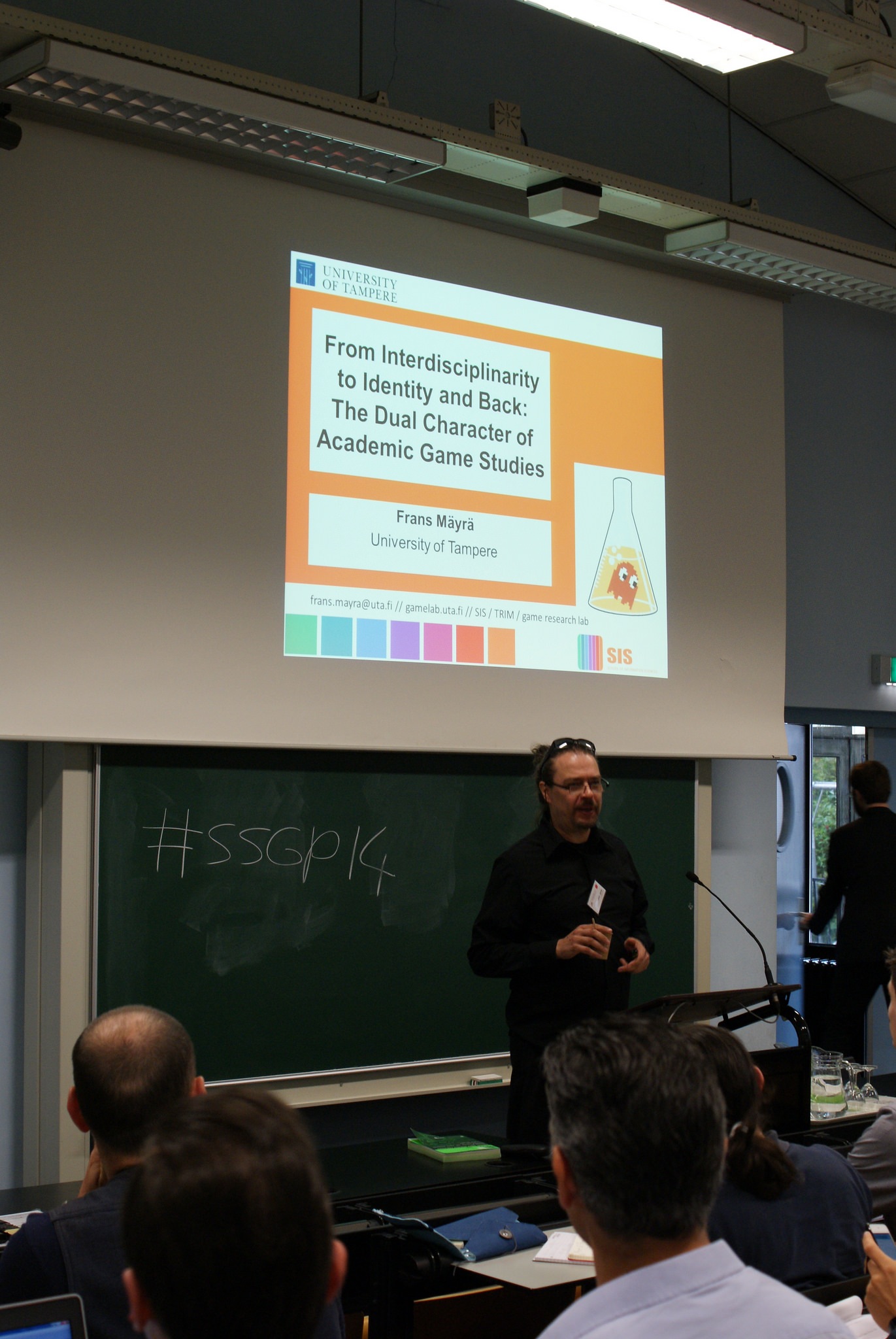
Frans Mäyrä, presenting the Utrecht keynote
In my opening keynote I tried to address the multiplicity of origins, the evolution, and search for identity in Game Studies from multiple angles. As also the data from the games researcher survey I presented proves, this field is highly multi- and interdisciplinary: there are scholars coming from great many different degree programs and disciplinary backgrounds, they collaborate often closely with scholars coming from other fields, and it is also very common to change from one discipline to another. As a field, Game Studies is highly dynamic, and attracts people from all sides of academia. Yet, these people also rather strongly self-identify as a somewhat coherent group: they feel that they are indeed “(digital) games researchers”, and overwhelming majority of respondents of that survey also reported of being “gamers” themselves. (For full details, see: Mäyrä, Frans, Jan Van Looy & Thorsten Quandt (2013) “Disciplinary Identity of Game Scholars: An Outline”. Proceedings of DiGRA 2013. Atlanta: Georgia Tech & DiGRA. [http://www.digra.org/wp-content/uploads/digital-library/paper_146.pdf])
However, to counterbalance the polyphony of different voices and discourses addressing games and play today, also certain disciplinary elements are needed. The academic evaluation, both at the level of individual publications, as well as when job positions are being filled, requires that there are ways to recognise those who are best qualified to comment on the quality of research as Game Studies, and not judge it according to criteria of some other field. This is somewhat tricky thing, of course, and subject of negotiation every time such evaluation work is carried out. Is this something that should be evaluated as humanities oriented Game Studies — or as something with more Social Sciences focus? Is the position filled mainly so that there will be solid conceptual analyst or theorist in the faculty, or for finding someone who can act as a bridge builder between academia and games industry, for example?
I would say that today, like more than a decade ago when the question of disciplinarity of Game Studies was emphatically taken up, there is as much need for “disciplinary work” in the field as ever: there is need for conceptual clarity, continuity and cumulative understanding of key dimensions of games and play research, and also need for standards and reference texts that are necessary milestones in degree programs. However, I would not want to see Game Studies to calcify according any single “dogma” or “right way” of carrying out academic work. And it need not — any disciplinary field with an identity and a living community of scholars is based on constant renegotiation of what “we are”, what this discipline actually is, and what are its key focus areas. It might help to think about organism like amoeba: it has boundaries, it has “inside” and “outside”, but those boundaries are constantly in the move, and adapt to the chancing environment, sometimes engulfin some new element within itself, sometimes possibly even dividing into several new organisms (or: maybe amoeba do not do that? I am more likely thinking of bacteria here…)
There are practical concerns in Game Studies like in any other field in contemporary academia, as the university system is undergoing restructuring and many fields of learning need to provide good reasons for its existence and functions in a society. Game Studies certainly serves important scholarly functions, by addressing phenomena of major significance in the “Ludic Society” of today and tomorrow. The understanding of games, their history, genres, ways of how such dynamic systems operate, their design principles and how they are experienced by different kinds of people — all such things are needed, not only by academic researchers in this field, but also increasingly by experts who want to understand the changes in society, culture, learning, commerce, social interaction, etc. Thus, my claim: “in the future, every discipline needs to be a Game Studies discipline”. On the other hand, it is not enough to have some minor elements related to digital media, online communication and games scattered in several, disconnected degree programs in various parts of academia. There is also need for a “core discipline”, and an increasing (even if still rather modest) need for graduates that can be the experts who provide the reference work and theoretical and practical foundation of games and play research, so that it can then be applied in many other fields as well.
The program of Summer School was built to reflect this kind of principles of multiplicity and unity: the morning keynotes provided coherent arguments and perspectives into what games and play research is, or should be. The afternoons start with disciplinary seminars, where people coming and working within somewhat shared academic frameworks can develop their joint responses and interpretations of those same themes, and to develop their distinctive own agendas. The final element in the program are the more experimental, interdisciplinary workshops and the game jam, designed to bring together people from multiple sides of the research field, and to catalyse new ideas, creative concepts, and processes.
Unfortunately my busy schedules forced me to leave the Summer School early, but I wish everyone very fruitful and stimulating days in Utrecht, and look forward to the results, conclusions and any feedback that will be coming from it. Long live Game Studies – One, and Many!
Next two weeks will be intensive time in Utrecht, the Netherlands, as “Identity and Interdisciplinarity in Games and Play Research”, the joint European Summer School of games and play studies takes place at the Utrecht University. My keynote takes place first in Monday, August 18th, and it is titled “From Interdisciplinarity to Identity and Back: The Dual Character of Academic Game Studies”. More information and full program is available at: http://www.gapsummerschool2014.nl.
Next week there will the Multi.Player 2: Compete, Cooperate, Communicate conference in Münster, Germany. There will be keynotes presented by Richard Bartle, Chris Ferguson, John L. Sherry and myself. The title of my talk is “Mixed Pleasures: Interdisciplinary Perspectives into ‘Social Games'”; you can find more information here: http://www.uni-muenster.de/DigitalGaming/en/Keynote.html#anchor_en_1_7
Please find attached the Call for Papers for the Games and Literary Theory 2014 conference, taking place in Amsterdam in November 20-22, 2014. The deadline for abstracts (250-500 words) is August 1, 2014. CFP link: Final CFP International Conference Series in Games and Literary Theory.
I will be presenting a keynote in YTP2014 (Yhdistetyt tietojenkäsittelyn päivät / The Federated Computer Science Event of Finland) in Tuesday, 3 June 2014. My talk is titled “The Multidisciplinary Study of Games: An Academic Discipline, or A Research Field without an Identity?” and I will be discussing some of the findings from my earlier, sociology of knowledge style work, as well as touching upon some of the interesting themes discussed in the Critical Evaluation of Game Studies seminar in April. Program link: http://www2.it.lut.fi/ytp2014/ohjelma.
8th International Conference on the Philosophy of Computer Games
Freedom in Play
Istanbul, 13-15 November 2014
2014.gamephilosophy.org
—————————————————————————————-
Abstracts deadline: 15 August 2014
—————————————————————————————-
We hereby invite scholars in any field of studies who take a professional interest in the philosophy of computer games to submit papers to the 8th International Conference on the Philosophy of Computer Games, to be held in Istanbul 13-15 November 2014.
The concept of freedom is central in the shaping of game experiences and game cultures. It is a lens through which we can critically evaluate the philosophical, cultural and political relevance of computer games, as an art form and as a way of life. This year we especially invite papers that address the following areas of philosophical investigation:
1. The nature of freedom in games. Which philosophical concepts can help us clarify ontological and metaphysical dimensions of freedom in games and gaming?
2. The experience of freedom in games. How do we describe and evaluate specific experiences of freedom in play? Are certain types of freedoms in games artistically or ethically more desirable than others? In what way may such evaluations collide when people play together, especially in an on-line context?
3. Games and existential concepts of freedom. In what ways are games capable of expressing truths about the human condition? Is there a way in which they are inherently more or less capable of expressing ethical and normative truths than cinema, photography or art? How do we account for the semantic underpinnings of how games can create this sort of knowledge?
4. Political and ethical freedom. In what way can game mechanics or the social roles of gaming provide normative reasons for decision-making with regard to political freedom, gender issues, etc? Do computer games have a particular potential for being either politically conservative, progressive or subversive?
Accepted papers will have a clear focus on philosophy and philosophical issues in relation to computer games. They will refer to specific examples from computer games rather than merely invoke them in general terms.
In addition to papers that are directed at the main theme we invite a smaller number of papers in an “open” category. We are especially interested in papers that aim to continue discussions from earlier conferences in this series.
The abstracts should have a maximum 1000 words including bibliography. Please note if you intend your paper to fit in the “open” category. The deadline for submissions is Midnight GMT, 15 August, 2014. Please submit your abstract through review.gamephilosophy.org. All submitted abstracts will be subject to double blind peer review. Notification of accepted submissions will be sent out by 15 September 2014. A full paper draft must then be submitted by 6th November 2014 and will be made available on the conference website.
We also invite proposals for panels/workshops on October 12th. Please contact the programme committee chair if you are interested in organising one.
*
Tonguc Ibrahim Sezen, Istanbul Bilgi University (organising committee chair)
Rune Klevjer, University of Bergen (programme committee chair)
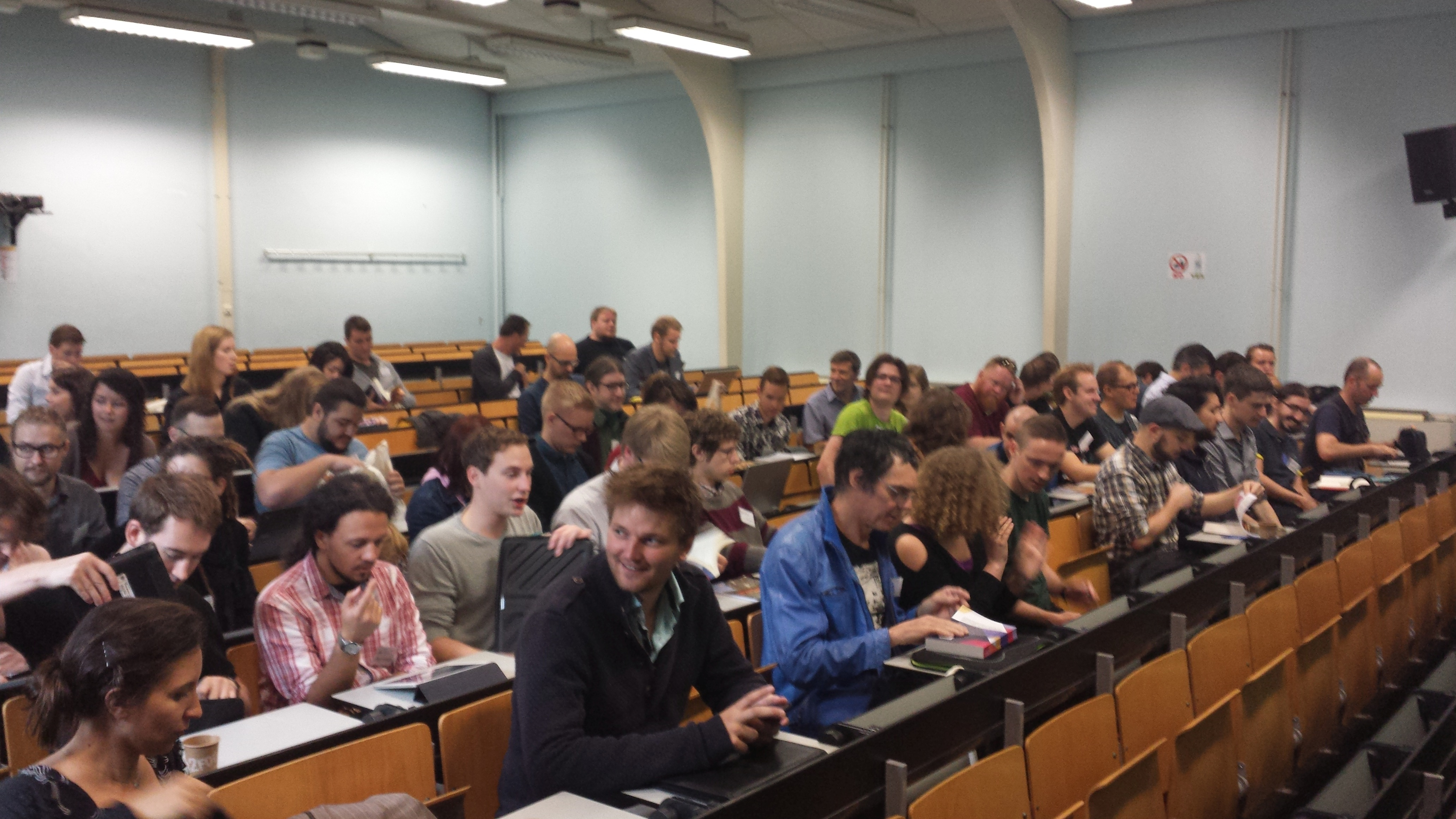
The Critical Evaluation of Game Studies seminar closed today, leaving a full house of tired but intellectually stimulated games scholars to debate and reflect on the outcomes and overall synthesis of the varied papers and discussions. One of the threads of the discussion concerned the identity and character of Game Studies (or “game studies”, or: games research? Or: ludology, even?) In his keynote, Espen Aarseth talked about Game Studies as a field, and argued (with explicit comment against my earlier published views) that a “discipline” is something that he particularly does not want to see Game Studies developing into.
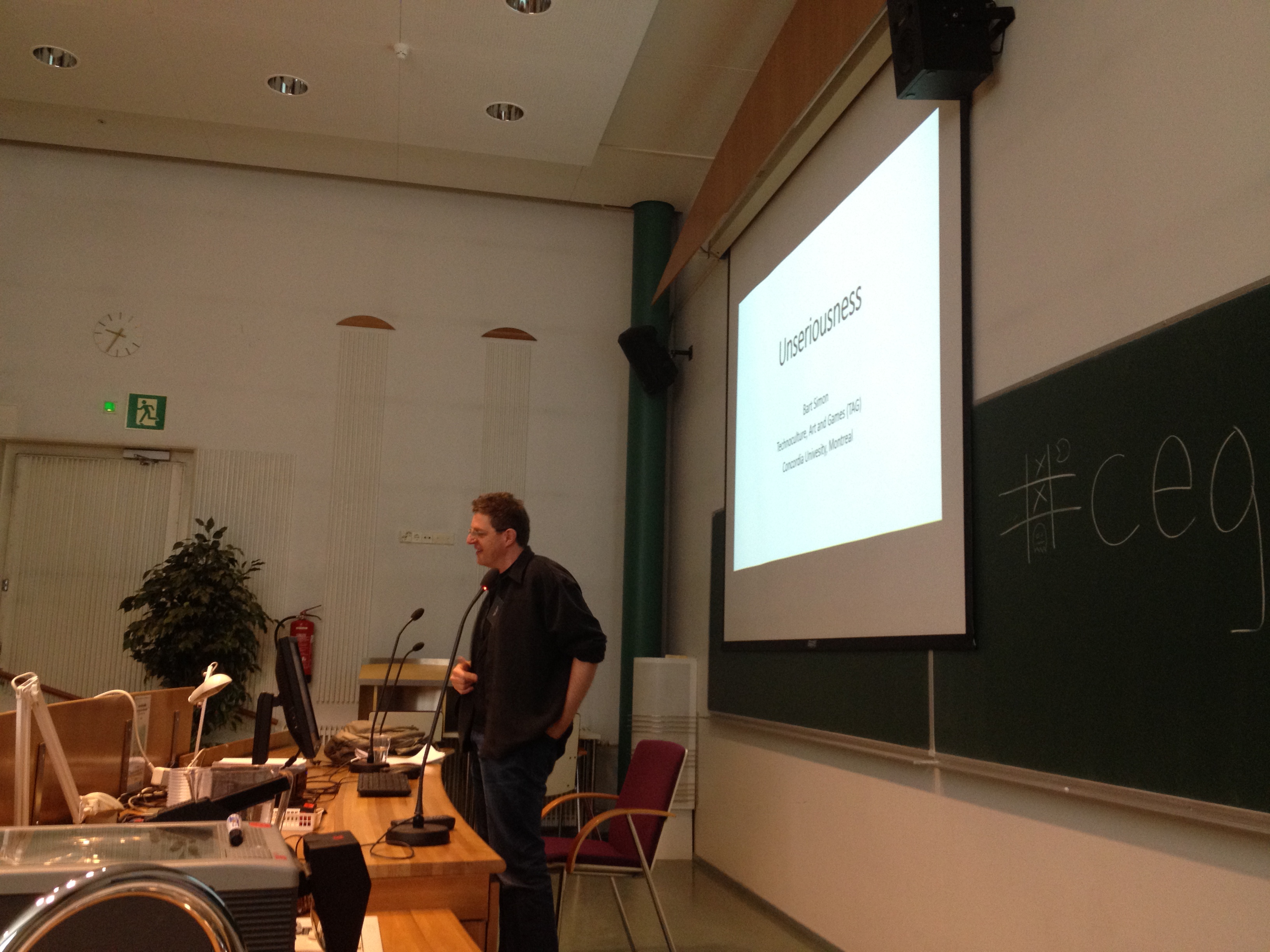
This particular, anti-disciplinary view can in a way be grounded on the existing polyphony in this field: there has not emerged any single, unified school of thought that would encompass everything that is going around games and play in academia. On the other hand, one could also – again following Espen – argue that a discipline that produces its own undergraduates as well as postgraduates would need a more solid methodological basis, and also more established work market to guarantee the employment of such “native graduates”. (Sebastian Deterding had an interesting analysis and proposal in his paper, suggesting that since there are not much guarantees of employment, or not so many well-established publication venues in the “core” areas of Game Studies, people are escaping back to more established academic fields, such as HCI or Communication Studies, which have already opened up for games related research, and provide more institutional work opportunities – and that Game Studies should merge with Design Research so that it would have better opportunities for survival.) Or, one could follow Bart Simon who in his speech talked about the “unseriousness” inherent in games and play as an object of study, and go against the instrumentalization and reification of disciplinary knowledge by principle.
While I see the point of all these, well-grounded arguments, I just want to emphasize again that Game Studies needs both dimensions and movements: both the elements that pull people towards each other and focus at organizing the knowledge production and educational activities in Game Studies into some, hopefully rather unified wholes, as well as more interdisciplinary elements that fertilize and stimulate the growth of new approaches and innovations – both within Game Studies, as well as in other fields of learning. While there is enough anarchist in most game scholars today to make us stand up and go against any attempt at governance or “central control” in this daring, iconoclastic intellectual project that has been set into motion, it is also important, I think, to carry enough responsibility to aim at positive conditions for such project, and sometimes this will also require setting up “disciplinary versions” of the fast-moving research field, so that it can engage with various academic institutions and neighbouring disciplines at even terms. While such “freeze frame” simplifications of the field probably always do some violence to the plurality, coverage and dynamism of Game Studies, they are probably necessary illusions that we also need. Textbooks, lectures and articles are all good places to construct such, identity creating moments of Game Studies, as well as for deconstructing and questioning them. After the seminar, I think that the deconstructionist momentum is currently stronger than the constructivist one, but it just may be my impression.
In any case, I came out of the seminar invigorated and energized, believing even more that before to the need and enormous potential Game Studies has to offer, not only to academia, but also to the surrounding society. If we do not try to fit together and negotiate the multiple aspects that complicate the superficial, commonplace perceptions of what games are, or what game playing means, who is going to do that? Also, I do not think that the other academic disciplines that I know about are that much more unified, or less polyphonic than Game Studies is, actually. As years and decades go past, academics tend to question the truths of their fields from multiple angles, and come up with dozens of different, mutually competing and incompatible theories and approaches into their fields of inquiry. And that is a very good thing. Long live Game Studies, one and many!
Pelaajabarometrissa uutta tietoa pelaamisen muutossuunnista
Nyt julkaistu, vuoden 2013 aikana kerättyä aineistoa raportoiva uusin Pelaajabarometri kertoo pelaamisen suosion kokonaisuudessaan pysyneen ennallaan. Jos huomioidaan kaikki erilaiset pelimuodot ja satunnainenkin pelaaminen lähes jokainen suomalainen pelaa ainakin jotakin. Aktiivisia, vähintään kerran kuukaudessa jotain peliä pelaavia suomalaisia on noin 88 prosenttia.
Digitaalisten pelien päätyypeistä älypuhelimilla ja tablet-laitteilla pelattavat mobiilipelit olivat tutkimuksen mukaan merkittävästi kasvattaneet suosiotaan Suomessa. Vuonna 2009 ensimmäisessä Pelaajabarometrissa aktiivisia, vähintään kerran kuussa mobiilipelejä pelaavia vastaajia oli noin 13 %, mutta vuoden 2013 aineistossa tämä osuus jo vajaat 29 %. Käytännössä siis jo lähes joka kolmas suomalainen pelaa vähintään kerran kuussa jotain mobiilipeliä.
Sen sijaan niin tietokonepelit, selaimessa pelattavat pelit (Facebook-pelejä lukuun ottamatta) sekä konsolivideopelit ovat selkeästi menettäneet aktiivisia pelaajia. Esimerkiksi kun yksin pelattavien tietokonepelien aktiivisten pelaajien osuus suomalaisista vuonna 2011 oli yli 40 prosenttia, on se nyt 2013 barometriaineistossa alle 28 prosenttia. Vastaavasti aktiivisten konsolipelaajien osuus on pudonnut kahdessa vuodessa vajaasta 30 prosentista alle 19 prosentin osuuteen tutkittavasta väestöstä. Digitaalisessa pelaamisessa on nähtävissä selvää painopisteen siirtymää konsolivideopeleistä ja tietokonepeleistä tablet-laitteilla ja älypuhelimella pelattavien pelien pariin.
Perinteisten pelimuotojen suosiossa ei ole Pelaajabarometrin mukaan tapahtunut merkittäviä muutoksia, lukuun ottamatta paperilla pelattavia pulmapelejä, jotka ovat menettäneet suosiotaan vuonna 2011 havaitusta vajaasta 48 prosentista vuoden 2013 aineiston vajaaseen 42 prosenttiin aktiivisia pelaajia. Perinteisten rahapelien kohdalla on myös havaittavissa vähenevää suosiota: niin Veikkauksen, RAY:n kuin Fintotonkin järjestämät rahapelit ovat kaikki menettäneet muutaman prosenttiyksikön pelaajasuosiotaan vuoteen 2011 verrattuna. RAY:n perinteisten kolikkoautomaattipelien kohdalla suosion lasku on ollut suurinta. Verkkorahapelit eivät ole vastaavalla tavalla kasvattaneet pelaajamääriään.
Kun kaikkien suomalaisten pelaajien keski-ikä on yli 42 vuotta, on keskimääräinen digitaalisten pelien pelaaja yli 37-vuotias. Miesten ja naisten välisessä pelaamisessa ei kaikki pelaamisen tyypit huomioiden ole merkittävää eroa. Digitaalisen pelaamisen aktiivisuus on kuitenkin miesten ja poikien keskuudessa hieman tyttöjä ja naisia suurempaa.
Kun tarkastellaan yksittäisiä pelejä ja pelisarjoja, nousevat pasianssipelit jälleen ylivoimaisesti suosituimmiksi digitaalisiksi peleiksi. Suomalaisen Rovion Angry Birds -sarjan pelit ovat pelisuosiossa toisella sijalla ja veikkauspelit kolmantena. Suosituimpia pelejä pelataan niin mobiililaitteilla kuin tietokoneillakin.
Barometrissä tutkittiin nyt ensimmäistä kertaa pelien ostamista ja pelien lisäominaisuuksiin kohdistuvaa virtuaalihyödykkeiden ostamista. Digitaalinen jakelu esimerkiksi mobiilipelien verkkokaupoissa (”app stores”) on yleistynyt viime vuosina, mutta nyt toteutettu pelien hankintakysely kertoo että perinteinen, kaupasta tapahtuva pelin ostaminen on edelleen tyypillisin tapa hankkia digitaalinen peli. Kaupasta pelinsä ainakin toisinaan hankki kaikista vastaajista noin 43 prosenttia, aktiivisten digipelaajien joukosta yli puolet.
Lisäksi ilmaispelaaminen (”free-to-play”) ja pelien mikromaksut ovat olleet uudistamassa tuotteista verkkopalveluiksi muuttuvien digitaalisten pelien käytänteitä. Aktiivisista digipelaajista ainakin toisinaan verkkopalvelusta pelejä latasi noin 41 prosenttia, ja ilmaispelien lisäominaisuuksista rahaa oli maksanut 19 prosenttia. Kaikkien vastaajien joukosta vastaavat prosenttiosuudet olivat 27 ja 12 prosenttia. Eri ikäryhmistä aktiivisimpia digitaalisten viihdepelien ostajia olivat 30–39-vuotiaat, aktiiviset digiviihdepelaajat.
Nyt neljättä kertaa toteutettu Pelaajabarometri on kyselytutkimus pelaamisen eri muotojen yleisyydestä Suomessa. Tampereen, Turun ja Jyväskylän yliopistojen pelitutkijoiden yhteistyönä syntynyt tutkimus tarjoaa kattavaa ja ajankohtaista tietoa pelaamisen eri muodoista ja pelaamisen suosioon liittyvistä muutostrendeistä. Vuonna 2013 tutkimukseen kerätty 972 vastaajan aineisto pohjautuu Väestörekisterikeskuksen satunnaisotantaan 10–75–vuotiaista Manner-Suomen asukkaista.
Professori Frans Mäyrä, frans.mayra@uta.fi, puh. 050 336 7650
Tampereen yliopisto, informaatiotieteiden yksikkö, Game Research Lab www.uta.fi/sis, http://gamelab.uta.fi



 frans goes blog
You must be logged in to post a comment.